Only 3% of men wear a suit to work regularly, according to Gallup. 44% of Americans never wear one at all. Yet business professional attire still exists as a real dress code category that matters in specific industries and specific rooms. The shift toward casual is real. So is the confusion between business vs business casual and what each one actually requires. Getting that wrong costs you in contexts where it matters.
In this guide, you will learn:
Suits. That is the short answer.
What is, business professional attire in practice is a fully matched suit, dress shirt, tie, leather shoes, and a belt that matches. Everything coordinated. Nothing casual. Dark colors. Navy, charcoal, black. The formality level is high, and the room for interpretation is narrow.
Business formal men’s environments are specific about this. A blazer over trousers without a matching jacket does not meet the standard. What is business professional attire in law, finance, consulting, or government? Exactly what it sounds like. A suit and tie, every time.
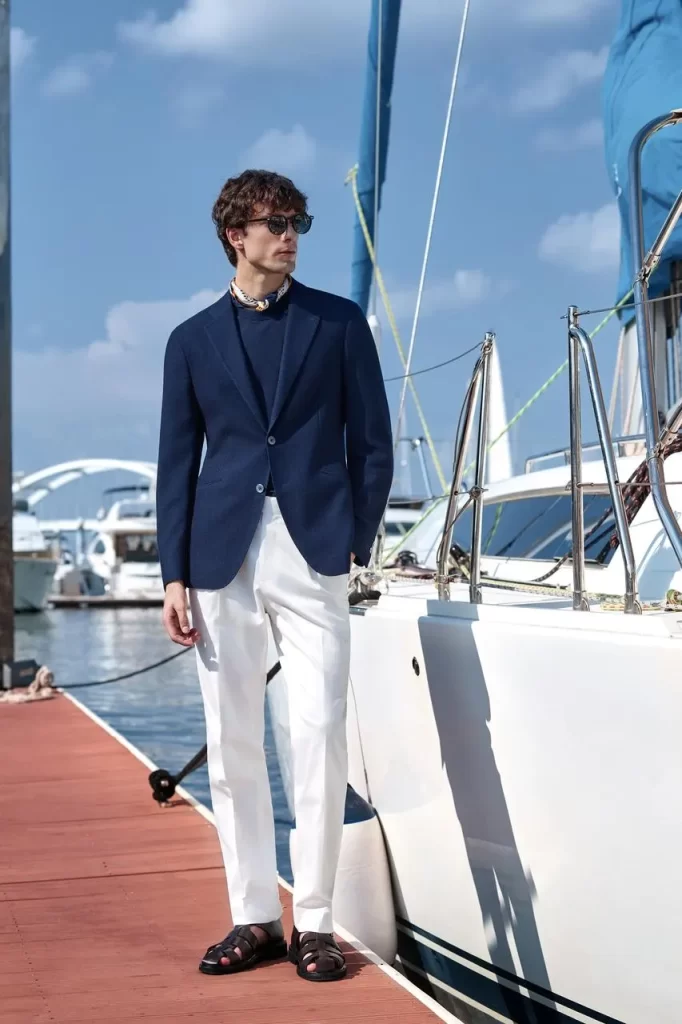
-682x1024.webp)
51% of women wear business casual most days, according to Gallup. It is the dominant workplace dress code in 2025 and still the hardest one to define consistently.
What is casual attire in the business context sits below business professional and above street clothing. Tailored trousers or chinos, collared shirts, blouses, optional blazers, clean leather shoes or loafers. A tie is not expected. A matched suit jacket is not required.
Dark jeans can qualify in some offices. They absolutely do not in others. That variability is the defining characteristic of business casual and the source of most of the confusion around business vs business casual.
| Feature | Business Professional | Business Casual |
| Suit required | Yes, matched jacket and trousers | No, blazer optional |
| Tie | Expected in most settings | Not expected |
| Shirt | Dress shirt, buttoned fully | Collared shirt or blouse |
| Trousers | Suit trousers only | Chinos, dress trousers, sometimes dark jeans |
| Shoes | Leather Oxford or Derby | Loafers, clean leather shoes |
| Colors | Dark and neutral tones | Broader range |
| Industries | Law, finance, government | Tech, media, general corporate |
| Flexibility | Low | Moderate to high |
The business vs business casual distinction shows up most clearly in whether the suit is required and whether the tie is expected. Everything else follows from those two decisions.
Business professional attire for men covers a specific and consistent set of items.
A fully matched suit in navy, charcoal, or dark grey. A white or light blue dress shirt. A conservative tie. Black or dark brown Oxford shoes. A leather belt matching the shoes. A pocket square is optional, but it adds polish.
Men’s business professional attire does not include jeans, chinos, open-collar shirts, or loafers in formal environments. The dress code exists to signal authority and competence. Every item in men’s business professional attire serves that purpose.
Fabric matters more in business professional attire in men’s settings than it does in casual ones. A well-chosen wool suit in business formal men’s environments reads differently from a synthetic blend even when the cut is identical.
For brands sourcing business professional attire for men at scale, Baoxiniao’s C2M system covers suit configurations across more than 10,000 design combinations. Individual pattern construction, EU-standard wool blend fabrics, 40 collar styles, and 40 pocket configurations across OEM and ODM orders.
The industry changes what both dress codes look like in practice.
In law, banking, and consulting, men’s business professional attire is the baseline. Business casual in those environments still leans conservative. Dark trousers, collared shirts, blazers. Jeans are rarely appropriate even on Fridays.
In tech and creative industries, business casual runs loose. Dark jeans qualify. Structured tees under blazers work. The business vs business casual line is blurrier, and enforcement is softer.
In government, healthcare administration, and education, both dress codes tend toward the middle. Professional enough to command credibility, relaxed enough that a full suit every day is not required.
What is a business dress in the professional context covers sheath dresses, wrap dresses, and tailored shift dresses in neutral or conservative colors. Knee-length or midi hemlines. Nothing too revealing, nothing too casual in fabric or cut.
What is a business dress at the professional level differs from business casual the same way a suit differs from chinos. The construction is more formal, the color palette is narrower, and the expectation around accessories and shoes is higher.
What is a business dress that works across both dress codes? A fitted sheath in navy or charcoal with a blazer. Remove the blazer, and it reads business casual. Keep it on, and it crosses into business professional territory depending on the fabric and fit.
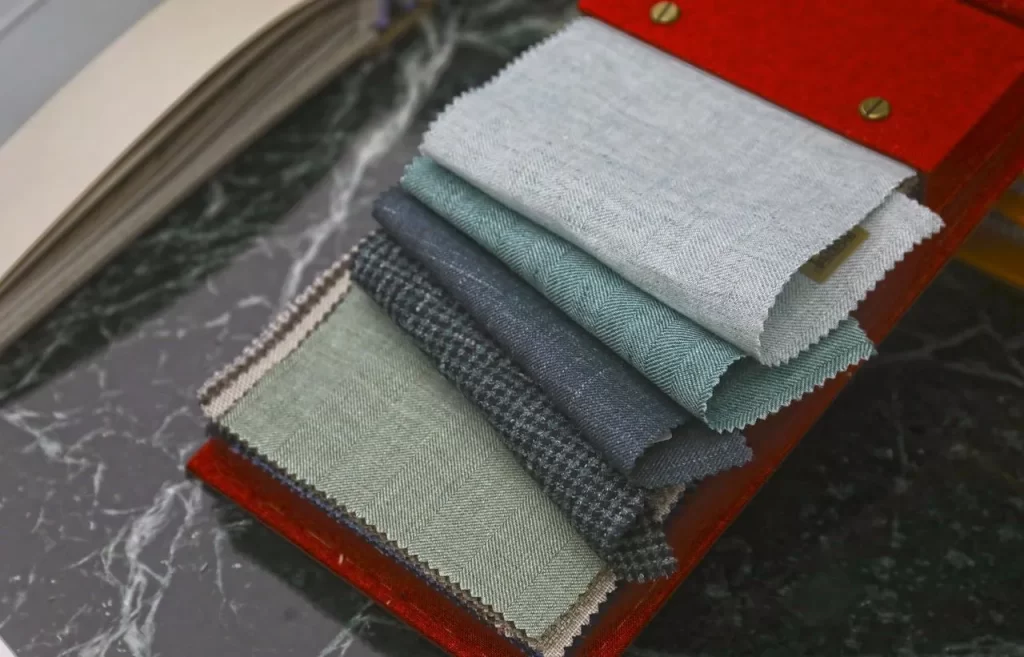
Clothing attire types across the full spectrum run from casual street wear at the bottom through smart casual, business casual, business professional, and black tie at the top. Business formal men environments sit at the business professional level, one step below black tie.
Understanding where clothing attire types sit relative to each other makes dress code navigation easier. Business vs business casual is not a subtle distinction once you know what each one is asking for. A business professional wants a suit, a tie, and a specific formality level. Business casual wants a professional presentation with room to interpret what that looks like.
30% of women have moved toward casual street clothing entirely, according to Gallup. That shift is real. But business professional attire is not disappearing in the industries where it matters. Knowing the difference between business vs business casual is still worth understanding, even as the overall trend moves toward relaxed.
For boutique buyers and enterprise clients building ranges that cover both dress codes, Baoxiniao’s C2M programme handles suit and blazer specifications across the full formality spectrum. Get in touch to discuss requirements.
Business vs business casual is suits versus optional blazers. Business professional attire in men’s settings requires the full package. What is business professional attire in casual industries is often overkill. What is casual attire in formal industries is often insufficient.
Clothing attire types exist on a spectrum. Knowing where business formal men’s dress codes sit on that spectrum helps buyers, brands, and individuals make better decisions. Men’s business professional attire done right communicates authority. What is a business dress done right communicates the same in a different silhouette.
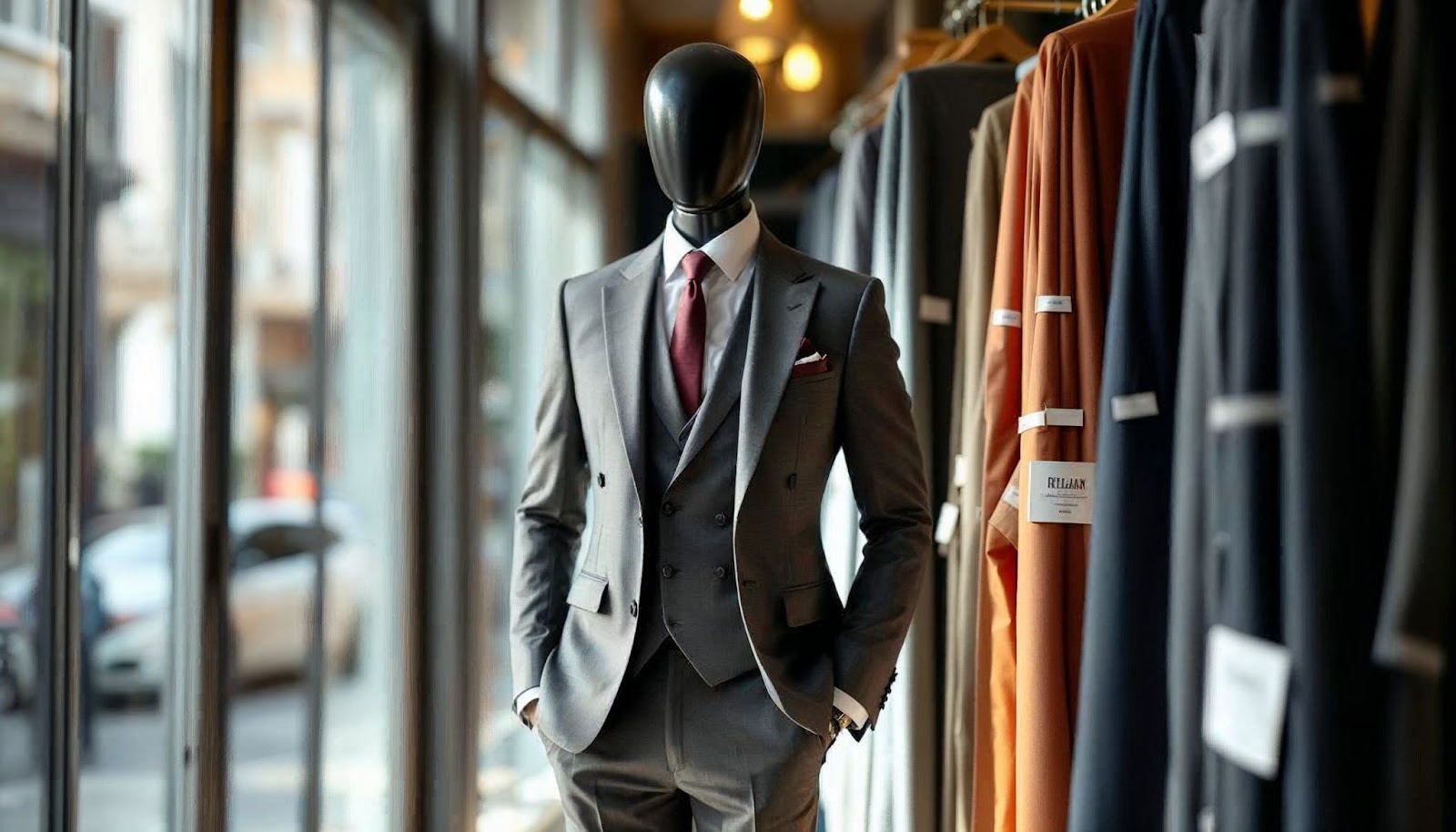
The 2025–2026 fall and winter season brings five key suit trends that are shaping menswear collections worldwide. As a suit manufacturer with over 25 years of production experience, Baoxiniao breaks down each trend with specific sourcing and manufacturing implications — so brand owners and retailers can translate runway direction into production-ready decisions. Luxury and Retro […]
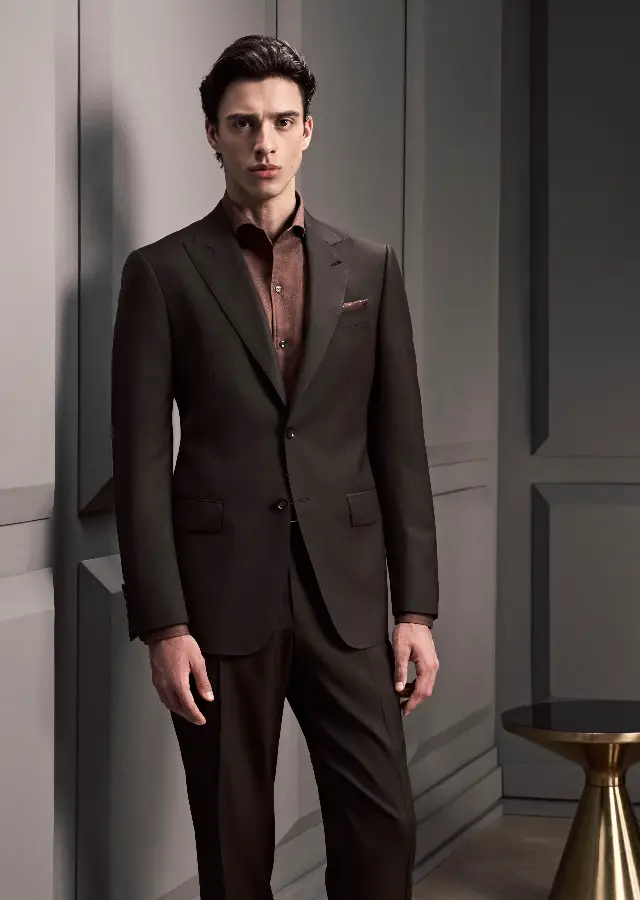
Quiet luxury men—that phrase captures more than just clothes. It’s a movement toward elegance without logos, exclusivity without flash. For buyers and industry insiders, this shift is redefining what power dressing and high-end menswear mean in 2025–26. What Is Quiet Luxury? The quiet luxury trend (aka stealth wealth, old money aesthetic men) isn’t new, but […]

How long should dress pants be? It’s a question that seems simple until you’re standing in front of a mirror, wondering if the hem is too high or puddling over your shoes. The answer comes down to one thing: pant break or the way your pants rest on your shoes. This guide breaks down the […]
ADDRESS: BAOXINIAO OFFICE BUILDING, BAOXINIAO INDUSTRIAL PARK, YONGJIA, ZHEJIANG