Global formalwear was valued at $43.8 billion in 2025 and is heading toward $72.6 billion by 2034, at 5.8% CAGR. Men’s formalwear holds 48.3% of that revenue. Corporate dress codes are back, and destination weddings are growing fast. More men are facing the tuxedo vs suit question than they have in years, and a surprising number of them get it wrong. The difference between a tux and a suit is not just about how dressed up you want to look. It is about construction, occasion, and what each garment is actually built for.
In this guide, you will learn:
Most people think the difference is just black tie versus business. It goes deeper than that.
A tuxedo is a specific garment with specific construction features that a suit does not have. Satin or grosgrain lapels. Satin stripe down the trouser leg. No external pockets with flaps. A covered placket on the shirt rather than an exposed button line. These are not stylistic choices. They are defining features of the garment category.
A suit has none of those things. Notch lapels in most cases. No satin trim anywhere. Flap pockets at the hip. Standard shirt with visible buttons. The suit is a versatile garment built for a wide range of occasions. The tuxedo is a formal garment built for one specific context and worn well only in that context.
That is the tuxedo vs suit distinction at its core. Versatility versus formality. One garment that goes many places versus one garment that goes to very specific ones.
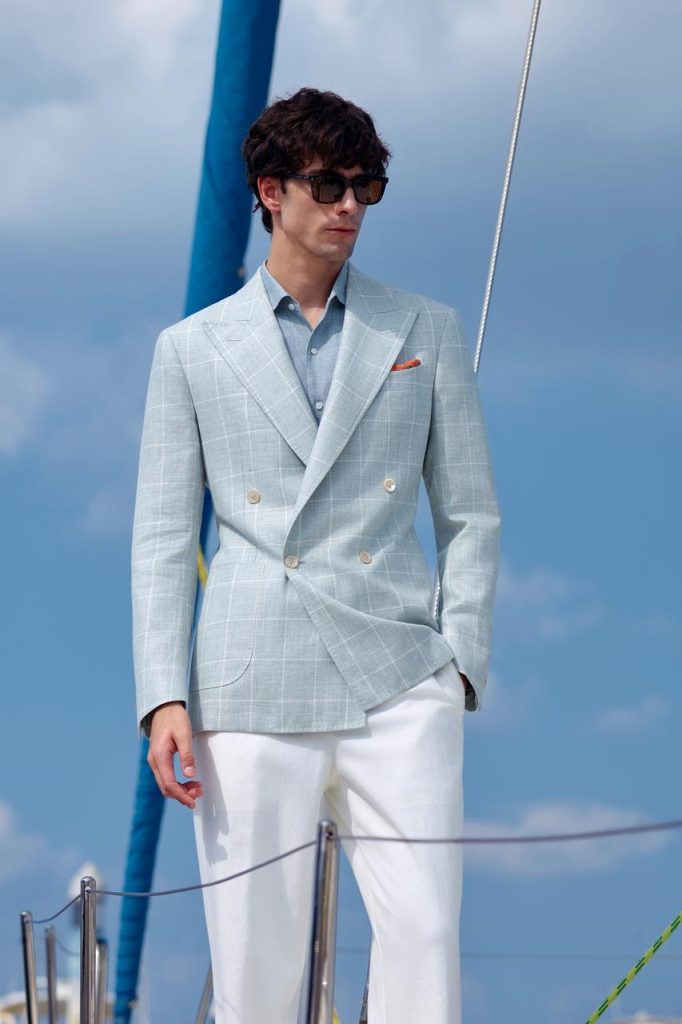
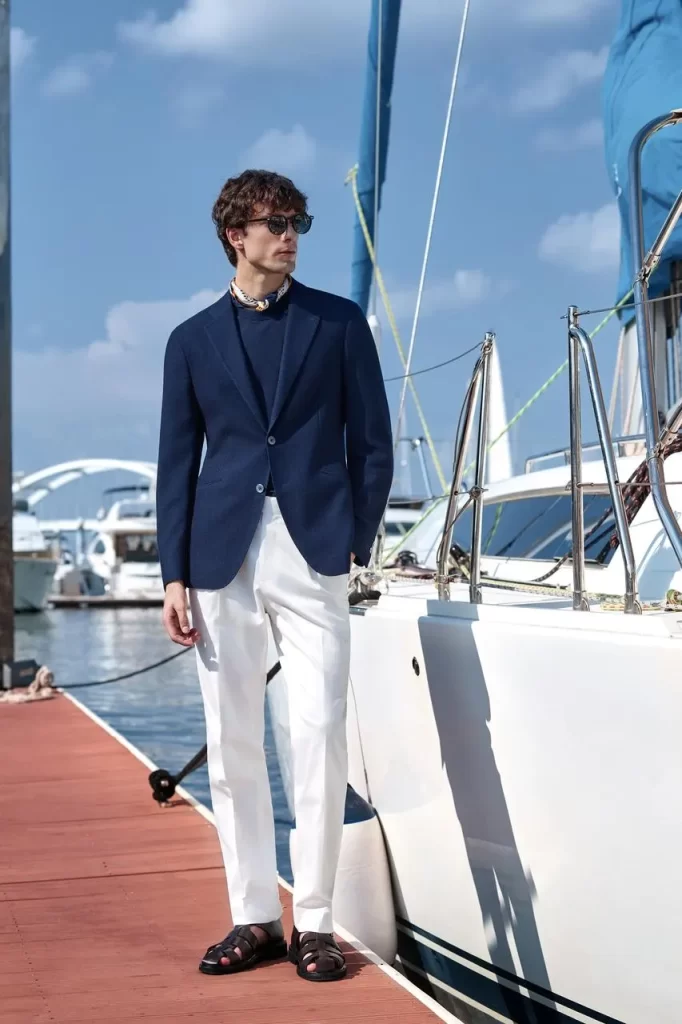
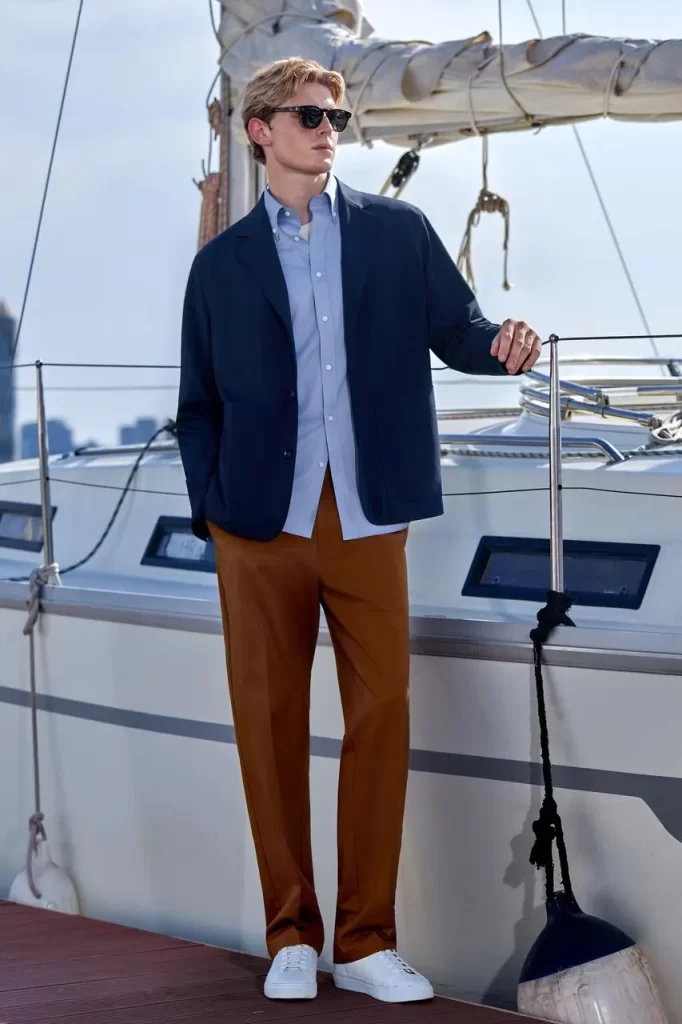
The difference between a tux and a suit shows up most clearly in the details.
| Feature | Tuxedo | Suit |
| Lapels | Satin or grosgrain faced | Wool, same as the jacket body |
| Trouser stripe | Satin stripe down the side seam | None |
| Pockets | Jetted, no flaps | Flap pockets standard |
| Shirt | Pleated or bib front, covered buttons | Standard dress shirt |
| Bow tie | Expected, sometimes required | Not applicable |
| Occasions | Black tie and formal events only | Business, weddings, casual |
The difference between a tux and a suit in the lapel is the easiest place to start. Pick up both garments and look at the lapel facing. Satin or grosgrain means tuxedo. Wool means suit. Everything else follows from there.
Trouser construction is the other giveaway. A tuxedo trouser has a satin stripe running down the outside seam of each leg. A suit trouser does not. Wearing a tuxedo jacket over suit trousers is a mistake that shows immediately to anyone who knows what to look for.
Where can you wear a tuxedo without it looking wrong? The list is shorter than most people think.
Black tie events are the obvious ones. Formal galas, charity dinners, opera evenings, and award ceremonies. Any invitation that says black tie is asking for a tuxedo, not a dark suit.
Formal weddings where the dress code specifies black tie. Destination weddings at high-end venues. New Year’s Eve events at formal venues. These are the situations where a tuxedo fits, and a suit falls short of what the occasion is asking for.
Where can you wear a tuxedo and have it read as overdressed? A business dinner. A cocktail party that is smart casual or semi-formal. A wedding that has not specified black tie. Showing up in a tuxedo to those occasions is harder to recover from than showing up in a suit to a black tie event.
Suit vs tux comes down to the invitation in your hand.
Black tie written on it? Tuxedo. No question. A dark suit at a black tie event signals that you either did not read the invitation or chose to ignore it. Neither is a good look.
Formal but not black tie? Smart suit. Navy or charcoal, well-fitted, with a tie. A tuxedo there reads as trying too hard.
Semi-formal, cocktail, or business formal? Suit every time. The suit vs tux decision gets easier once you stop treating the tuxedo as just a fancier suit and start treating it as a separate category of garment with its own specific use case.
For brands and boutique buyers sourcing both categories, the construction differences between tuxedo vs suit matter at the specification stage. Lapel facing, trouser stripe, pocket style, lining weight. These are not afterthought details.
Baoxiniao’s C2M system handles both tuxedo and suit construction across more than 10,000 design configurations. 40 collar styles, 40 pocket configurations, EU-standard fabrics across both categories. OEM and ODM orders welcome. Each garment is built on an individual pattern rather than adjusted from a block.

Tuxedo vs suit is not about how formal you want to look. It is about what the occasion requires and what each garment was built for. The difference between a tux and a suit runs through the lapels, the trousers, the pockets, and the shirt. Suit vs tux is a straightforward decision once you know what each one actually is.
For custom tuxedo and suit orders at scale, Baoxiniao’s C2M programme builds to specification across both garment categories. Get in touch to discuss your requirements.
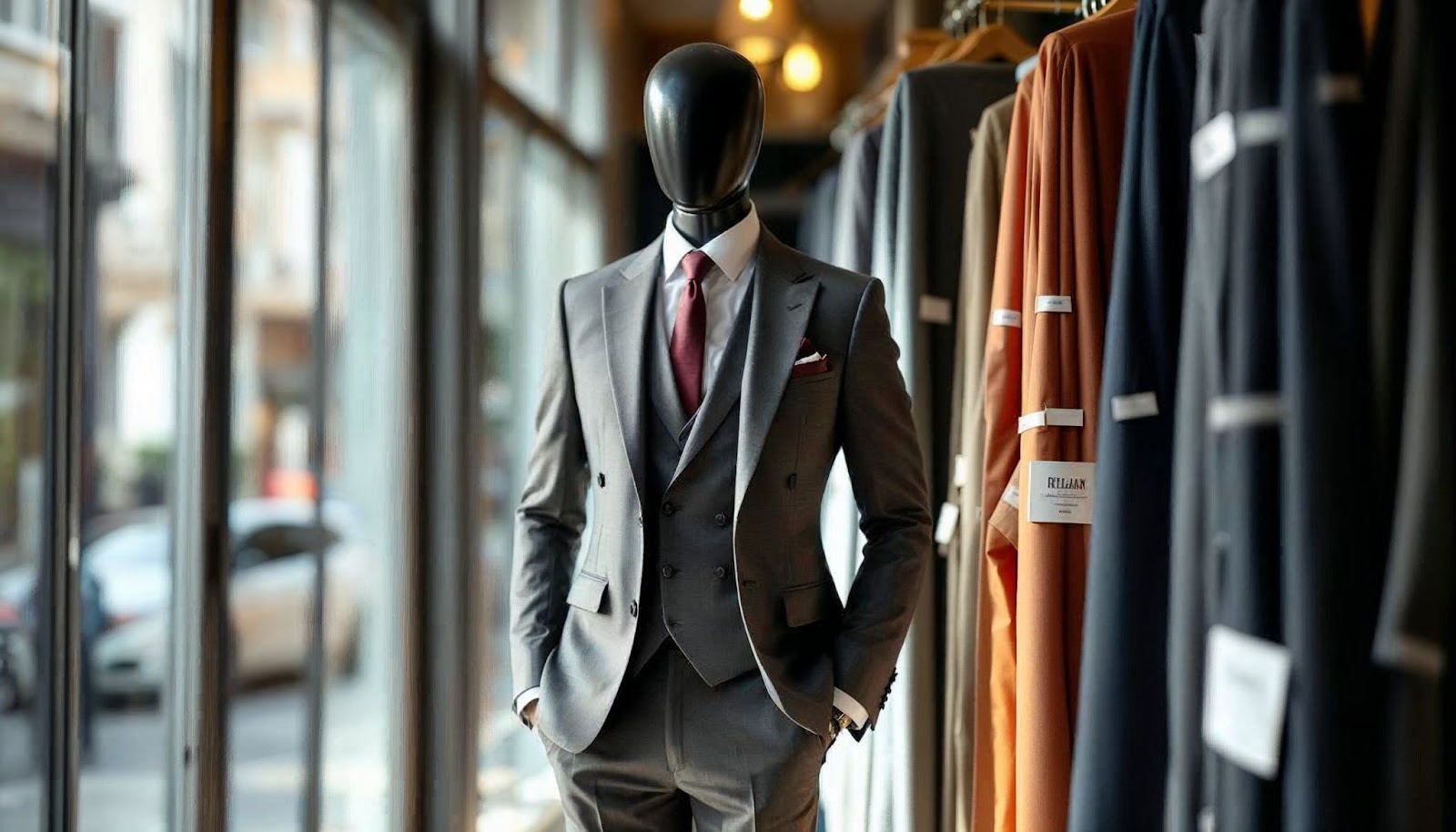
The 2025–2026 fall and winter season brings five key suit trends that are shaping menswear collections worldwide. As a suit manufacturer with over 25 years of production experience, Baoxiniao breaks down each trend with specific sourcing and manufacturing implications — so brand owners and retailers can translate runway direction into production-ready decisions. Luxury and Retro […]
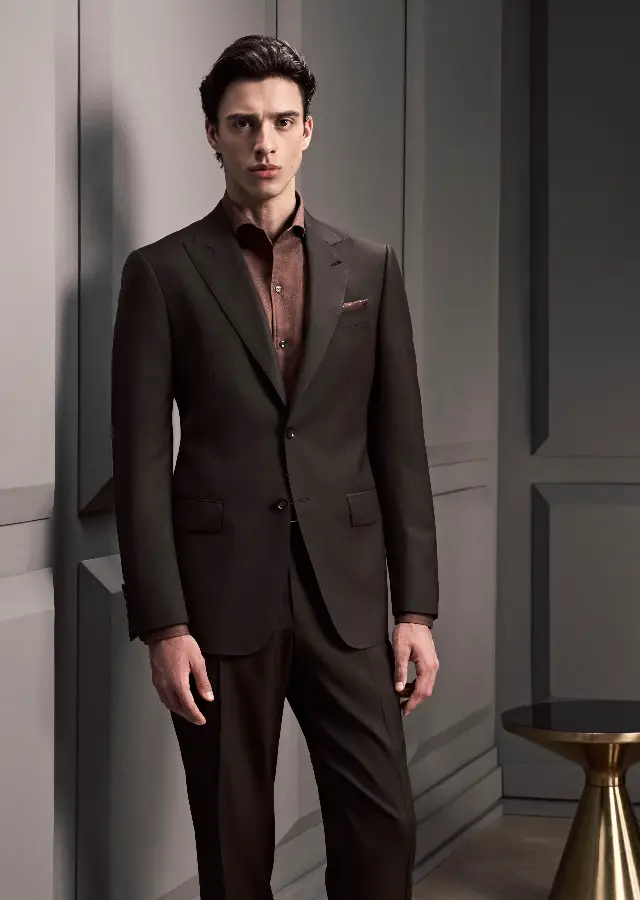
Quiet luxury men—that phrase captures more than just clothes. It’s a movement toward elegance without logos, exclusivity without flash. For buyers and industry insiders, this shift is redefining what power dressing and high-end menswear mean in 2025–26. What Is Quiet Luxury? The quiet luxury trend (aka stealth wealth, old money aesthetic men) isn’t new, but […]

How long should dress pants be? It’s a question that seems simple until you’re standing in front of a mirror, wondering if the hem is too high or puddling over your shoes. The answer comes down to one thing: pant break or the way your pants rest on your shoes. This guide breaks down the […]
ADDRESS: BAOXINIAO OFFICE BUILDING, BAOXINIAO INDUSTRIAL PARK, YONGJIA, ZHEJIANG