When it comes to timeless outerwear, two classic garments stand out—trench coats and overcoats. But what exactly is the difference? If you’ve ever wondered about trench vs overcoat, the answer comes down to style, function, fabric, and seasonality.
A trench coat is a lightweight, water-resistant coat, originally designed for military use, perfect for rainy or mild weather. On the other hand, a formal overcoat is a thicker, heavier garment made from wool or cashmere, designed for cold temperatures and formal occasions. Choosing the right coat depends on the climate, occasion, and how you want to style it. Let’s break down everything you need to know to make an informed choice.
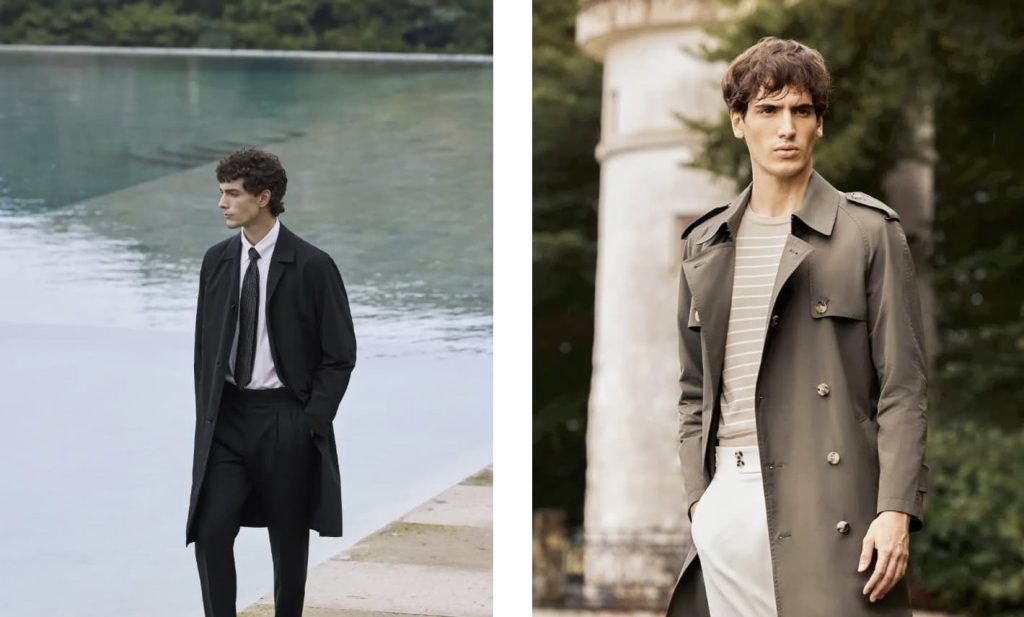
A trench coat is typically made from cotton gabardine, polyester, or waterproof blends, making it ideal for rainy and windy conditions. It features a belted overcoat design, a double-breasted front, and epaulets, which add to its stylish and structured look. Meanwhile, an overcoat is crafted from wool, cashmere, or heavy blends, providing excellent insulation for winter wear. A bespoke overcoat is often single-breasted with notch lapels for a polished appearance.
A trench coat is best suited for mild, wet weather, making it a go-to for fall or spring. A winter overcoat, on the other hand, is designed for cold temperatures, keeping you warm even in harsh conditions. If you live in an area with freezing winters, a wool overcoat or an overcoat with hoodie is a practical and stylish choice.
The trench coat is more versatile and leans towards smart-casual and business-casual outfits. It pairs well with jeans, chinos, or business suits, making it a flexible wardrobe essential. The formal overcoat, however, is a luxury outerwear piece, often worn over suits, tuxedos, or formal wear. This makes it ideal for professional or high-end occasions.
A wool overcoat is essential for cold climates. It provides insulation, making it a must-have for winter. In mild or rainy weather, a trench coat is a better choice. It is water-resistant, lightweight, and ideal for layering. Those who need extra warmth can opt for an overcoat with hoodie to retain body heat.
A trench coat is perfect for daily wear, travel, or business casual settings. It pairs well with sweaters, dress shirts, and even relaxed outfits. A formal overcoat, designed for business and evening attire, ensures a polished, sophisticated look when worn over suits or dress clothes.
A winter overcoat is typically made of high-quality wool or cashmere, offering superior warmth and structure. For those who prefer a lighter and more breathable option, a trench coat provides mobility and practicality without sacrificing style. A bespoke overcoat ensures a custom fit, giving you optimal comfort and refinement.
For business meetings, formal events, and elegant gatherings, a bespoke overcoat is the best choice. It complements suits and adds a layer of sophistication. A trench coat, on the other hand, is ideal for commuting, travel, and unpredictable weather, offering a balance between function and fashion.
A well-fitted coat is essential for both style and function. An oversized coat looks sloppy, while one that is too tight restricts movement. A belted overcoat can define the waist and create a structured silhouette, whereas a bespoke overcoat ensures a personalized fit that complements your body shape.
From an OEM and private-label manufacturing perspective, trench coats and overcoats are built for very different purposes.
They may look similar on the surface, but the production logic behind them is not the same.
Understanding these differences helps brands reduce development risk, control costs, and plan collections more efficiently.
Trench coats depend heavily on water-resistant fabrics.
These fabrics are often coated or laminated.
The main risk is batch consistency.
Small variations in coating thickness or dye penetration can affect color and performance after washing.
Overcoats rely primarily on wool or wool-blend fabrics.
Here, the focus shifts to fabric weight (GSM), hand feel, and shrinkage control.
From a sourcing perspective, trench coats require stricter fabric testing, while overcoats require tighter control of wool quality.
Trench coats usually include many exterior components.
These include belts, epaulettes, storm flaps, and visible topstitching.
Each component adds sewing steps.
Alignment and symmetry are critical to the final appearance.
Overcoats appear simpler on the outside.
However, they rely more on internal structure.
Chest canvas, lapel shaping, and lining attachment play a key role in silhouette stability.
In production, trench coats demand precision in assembly.
Overcoats demand consistency in internal construction.
For trench coats, common risks include:
For overcoats, risks are different:
These issues often appear during scale-up from sampling to bulk production.
Trench coats tend to have higher labor and trim costs.
This is due to multiple components and detailed finishing.
Overcoats usually concentrate cost in the fabric itself.
Production efficiency depends on cutting accuracy and pressing consistency.
Understanding these cost drivers helps brands make better decisions when planning seasonal outerwear lines.
At Baoxiniao, we specialize in precision-tailored coats designed for elegance and comfort. Our Navy Trench Coat and Olive Green Trench Coat are crafted from high-quality fabrics, offering both durability and modern sophistication. These coats are designed to fit perfectly, ensuring effortless style for professionals and fashion-conscious individuals.
Baoxiniao coats combine expert craftsmanship with premium fabrics for lasting style and comfort. Shop now for a perfectly tailored trench coat or overcoat that suits any occasion!
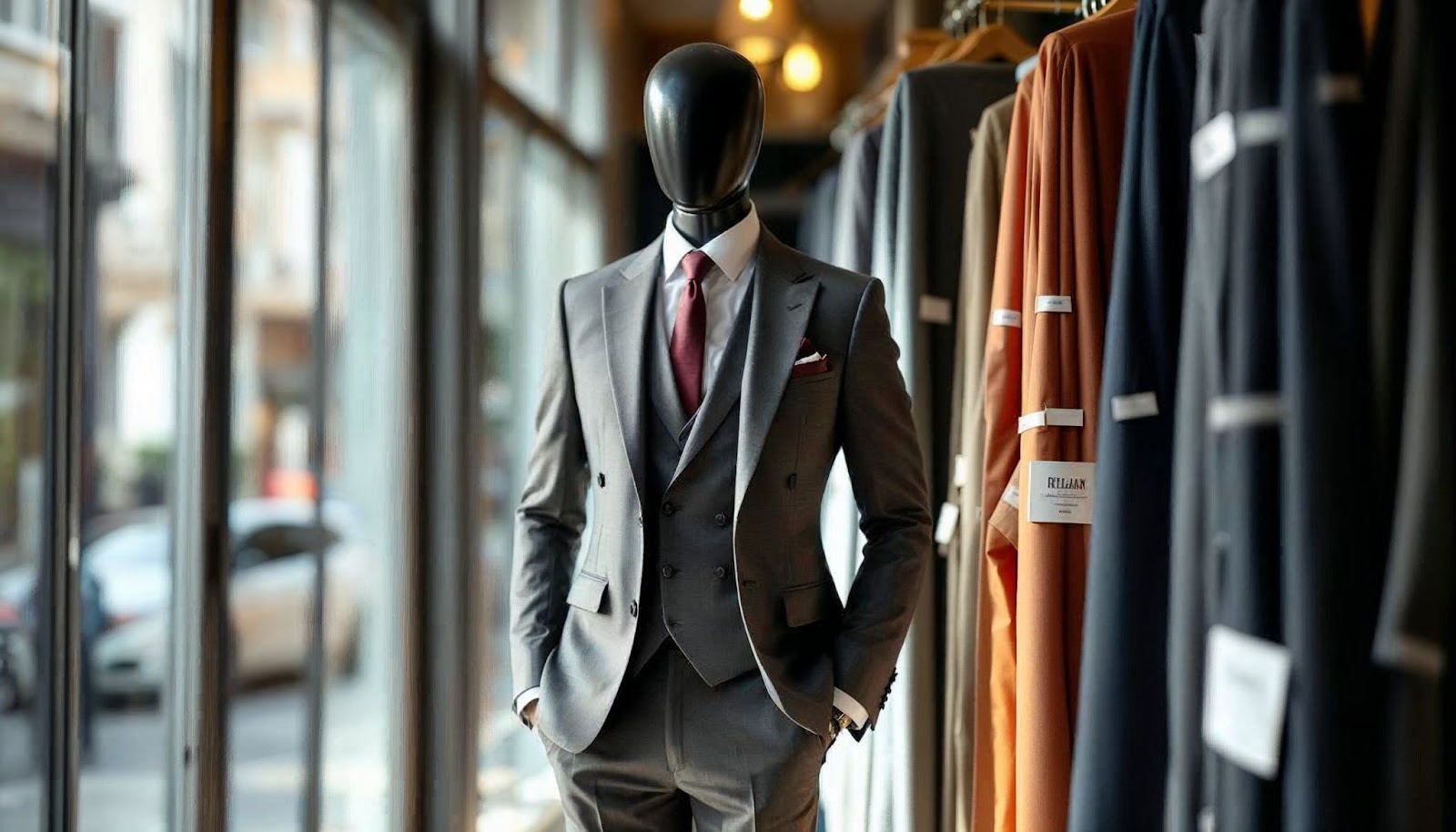
The 2025–2026 fall and winter season brings five key suit trends that are shaping menswear collections worldwide. As a suit manufacturer with over 25 years of production experience, Baoxiniao breaks down each trend with specific sourcing and manufacturing implications — so brand owners and retailers can translate runway direction into production-ready decisions. Luxury and Retro […]
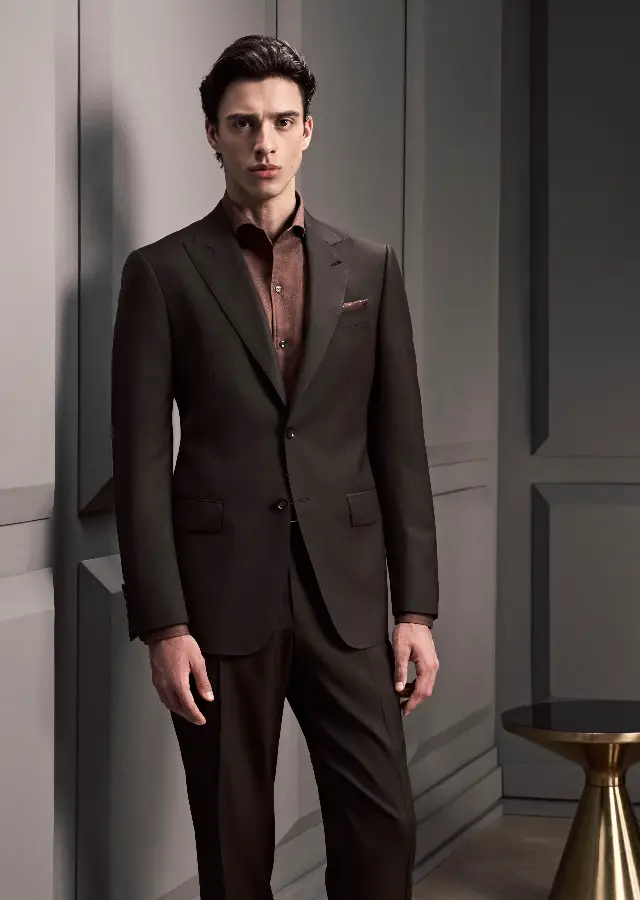
Quiet luxury men—that phrase captures more than just clothes. It’s a movement toward elegance without logos, exclusivity without flash. For buyers and industry insiders, this shift is redefining what power dressing and high-end menswear mean in 2025–26. What Is Quiet Luxury? The quiet luxury trend (aka stealth wealth, old money aesthetic men) isn’t new, but […]

How long should dress pants be? It’s a question that seems simple until you’re standing in front of a mirror, wondering if the hem is too high or puddling over your shoes. The answer comes down to one thing: pant break or the way your pants rest on your shoes. This guide breaks down the […]
ADDRESS: BAOXINIAO OFFICE BUILDING, BAOXINIAO INDUSTRIAL PARK, YONGJIA, ZHEJIANG