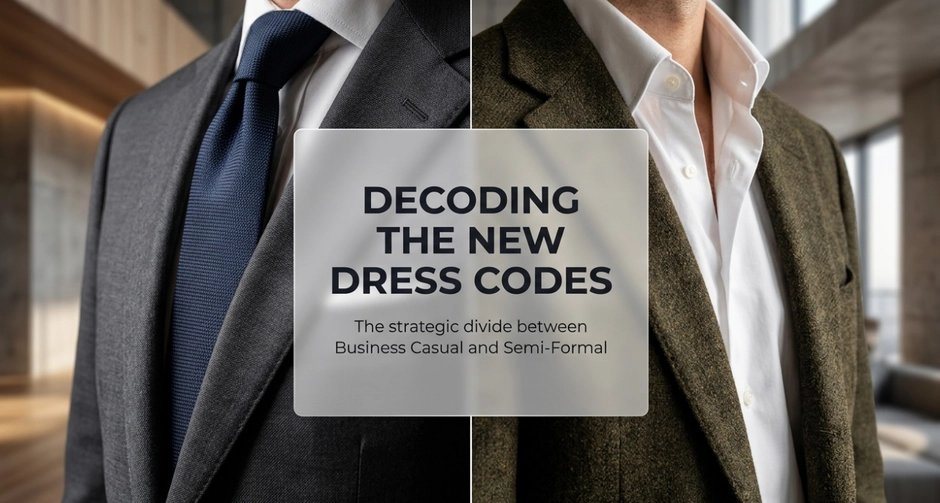
The global workwear market was valued at USD 19.62 billion in 2025 and is heading toward USD 30.4 billion by 2034, at 4.99% CAGR. Dress codes have gotten messier as workplaces loosen up, and the confusion between a semi-formal dress code and business casual is real. An invitation says semi-formal, and suddenly, nobody is quite sure what that actually requires. Do you need a tie? Is a blazer enough? Does the suit have to match?
Short answer: semi-formal and business casual are not the same. Not even close when you look at what each one actually asks for.
In this guide, you will learn:
- What is semi formal and where it sits on the scale
- What a business casual outfit actually involves
- How business casual vs semi formal differ in practice
- What semi formal vs casual actually means
What Is Semi Formal?
It sits between black tie and business casual. In practice, a semi-formal dress code shows up at cocktail parties, evening corporate events, wedding receptions that are not quite black tie, and charity dinners where people are expected to look like they made an effort. Occasions where showing up underdressed is noticeable to everyone in the room.
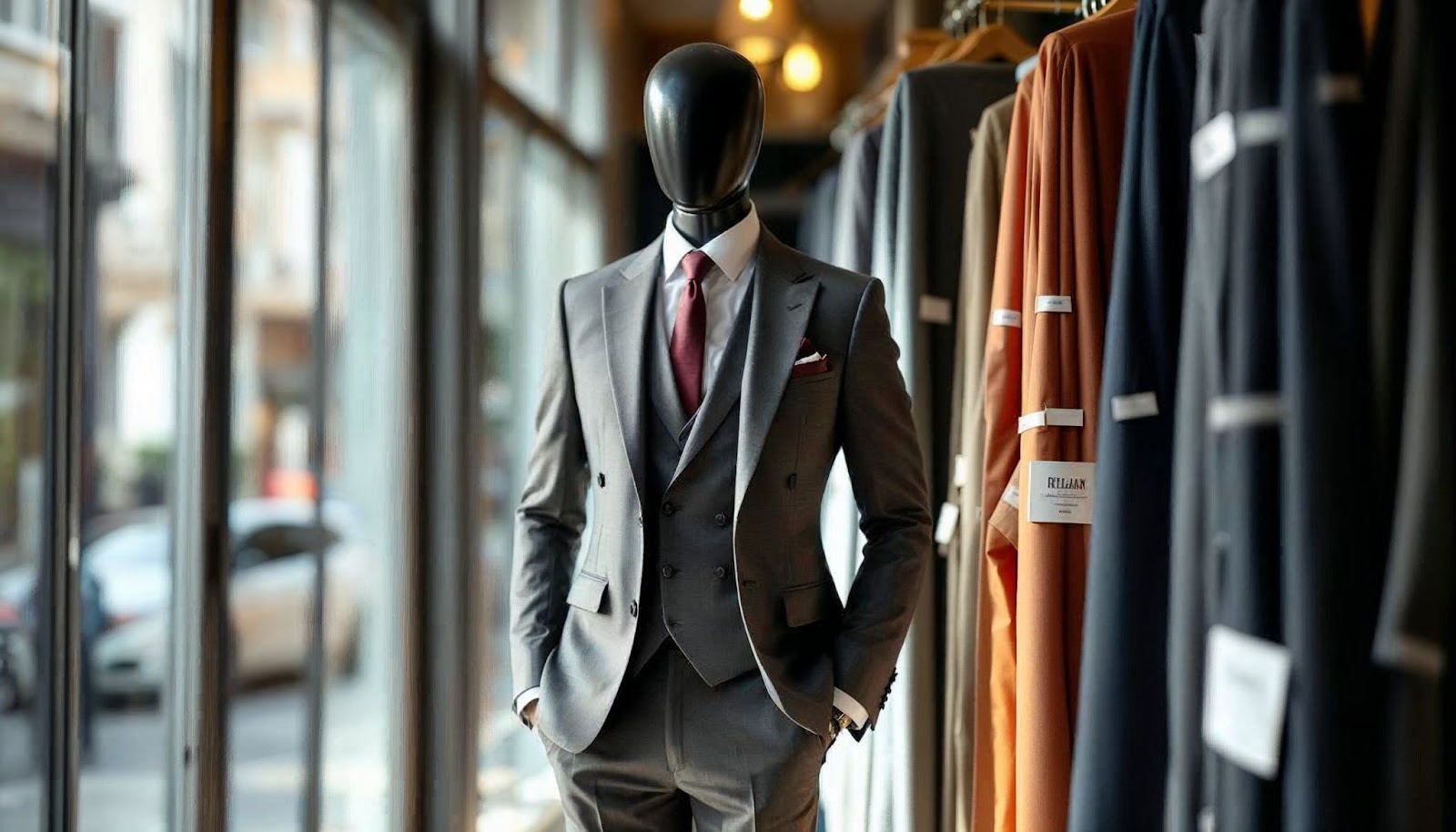
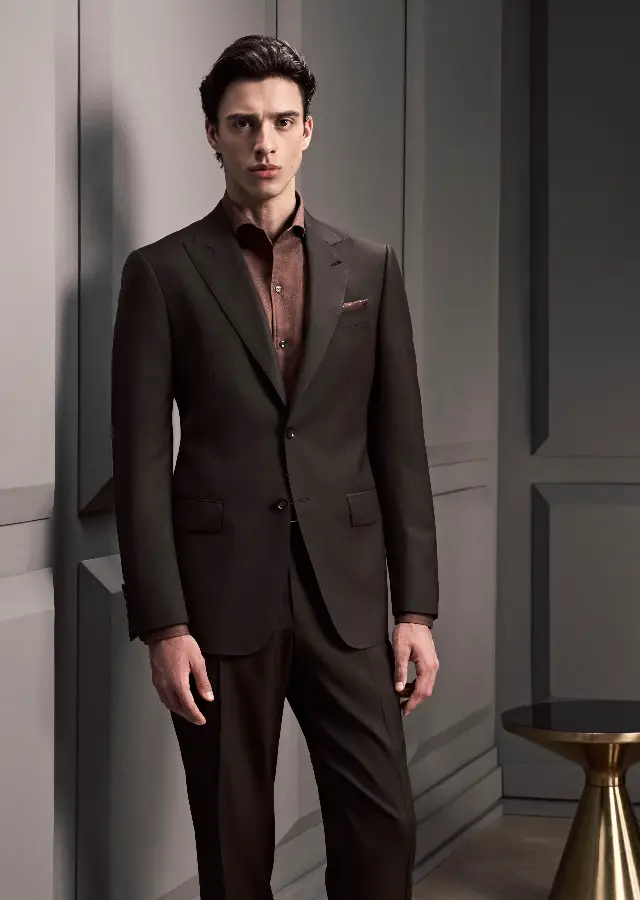
For men, what is semi-formal usually means a dark suit, dress shirt, tie, and polished leather shoes. Navy or charcoal handles most situations without drama. Some people go tieless and get away with it. Whether that works depends on the specific occasion and how formally the crowd is reading on the night.
The thing that defines semi-formal dress code above everything else is intentionality. The outfit should look chosen for the event. Not pulled from a regular work rotation and thrown on without much thought.
What a Business Casual Outfit Looks Like
A clear step down from semi-formal. And that step matters.
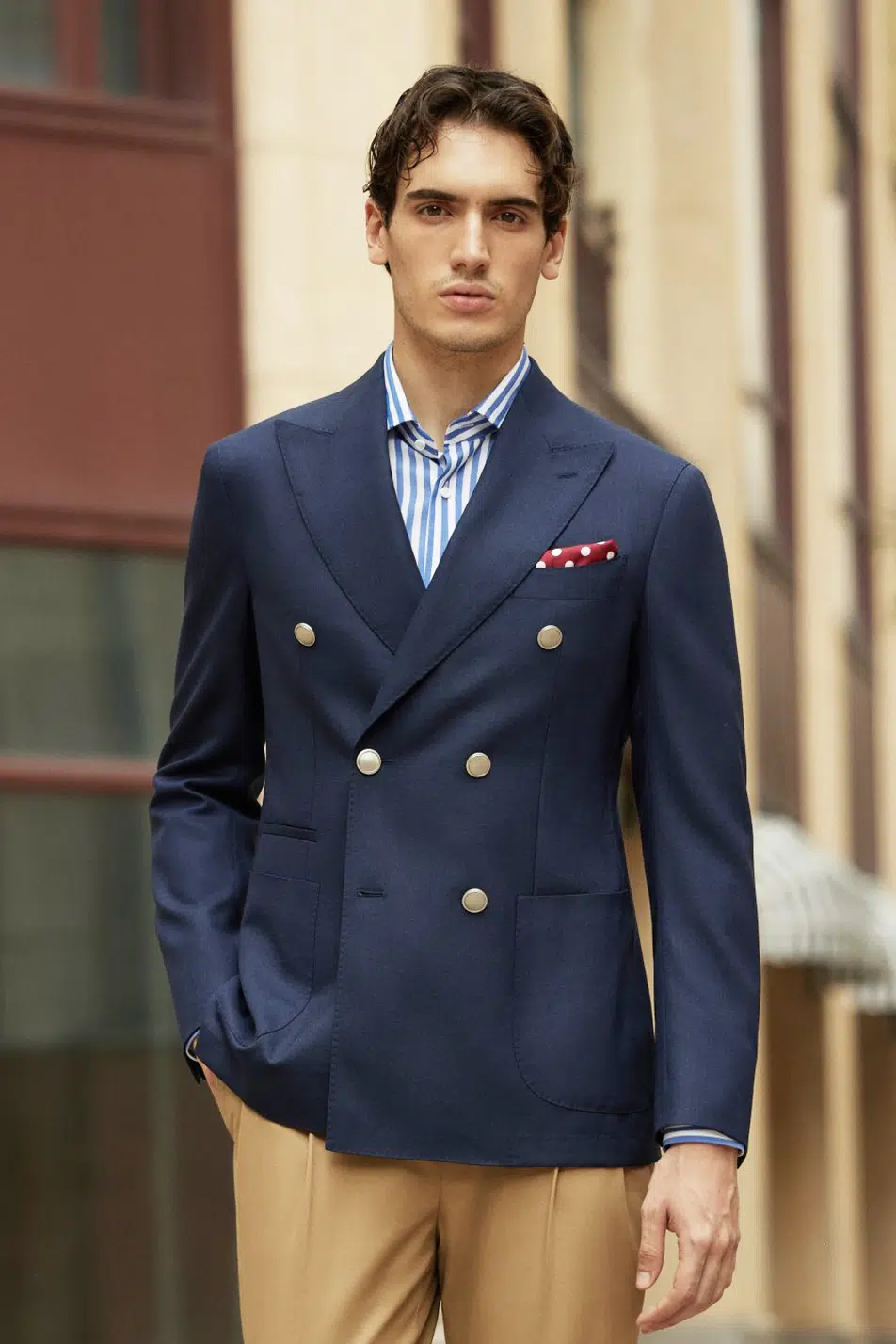
Chinos or dress trousers, a collared shirt, leather shoes or clean loafers. A blazer adds polish but is optional. A tie is not expected, and in a lot of modern offices, it reads as overdressed in a way that can feel slightly disconnected from the culture of the room.
A business casual outfit should look professional without looking like you are heading into a board presentation. Not too relaxed, not too formal. That middle ground is the whole point of the dress code. A semi-formal dress code does not give you that breathing room. Business casual is built around it, and most modern workplaces have leaned into it hard over the past decade.
Navy Blazer with Metal Buttons
A professional staple for corporate uniforms and retail collections. This blazer is engineered for durability and a classic silhouette, featuring iconic metal buttons and construction standards optimized for bulk procurement.
View Product & Custom DetailsBusiness Casual vs Semi Formal: The Real Difference
The clearest way to think about business casual vs semi formal is occasion versus environment.
Semi-formal dress code is occasion-driven. A wedding, a charity dinner, a corporate gala, a cocktail event. The occasion itself is telling you what to wear. Suit required. Tie expected in most situations. Shoes polished. Everything is chosen deliberately for the room you are walking into.
Business casual is environment-driven. The office has a relaxed culture. The industry does not wear suits. The setting tells you what fits, and what fits is professional without being formal.
Wearing a business casual outfit to a semi-formal event reads as underdressed. Wearing a full formal suit to a business casual office reads as rigid and out of touch. Both are avoidable once you know which dress code you are actually dealing with.
Manufacturers like Baoxiniao offer suit styles across the full formality range, from formal suiting to business casual blazers, helping brands build ranges that cover both ends properly. With over 10,000 design configurations and full OEM and ODM capability, garments can be built for specific dress code contexts from the pattern stage rather than as an afterthought.
What to Avoid, and Semi-Formal vs. Casual
Semi-formal dress code has a clear floor. Jeans sit below it. Sneakers sit below it. Unstructured jackets and open collar shirts without a tie push into business casual territory, which is not what a semi-formal occasion is asking for. Loud patterns in evening settings can also undercut an otherwise solid look.
Business casual outfit territory has its own limits. A full black tie suit reads as excessive for the environment. Jeans and casual tees push too far the other way unless the office culture genuinely allows it.
Semi formal vs casual is an even bigger gap than most people realize. Casual has almost no dress expectations attached to it. Semi-formal has specific, fairly consistent expectations across most occasions where the term appears. Is business casual considered semi-formal? Not really. They share some overlap in the middle, but they respond to completely different situations and serve completely different purposes.
Final Thoughts
Business casual vs semi formal is occasion versus environment. Semi-formal dress code requires a suit, a tie, and deliberate effort for a specific occasion. A business casual outfit wants a professional presentation without the full formality stack.
What is semi-formal for your next event? Dark suit, tie, polished shoes. Business casual? Clean trousers, collared shirt, optional blazer, no tie needed.
For boutique buyers and enterprise clients building ranges across both dress codes, Baoxiniao’s C2M programme handles suit and blazer specifications across the full formality spectrum. Get in touch to talk through what you need.