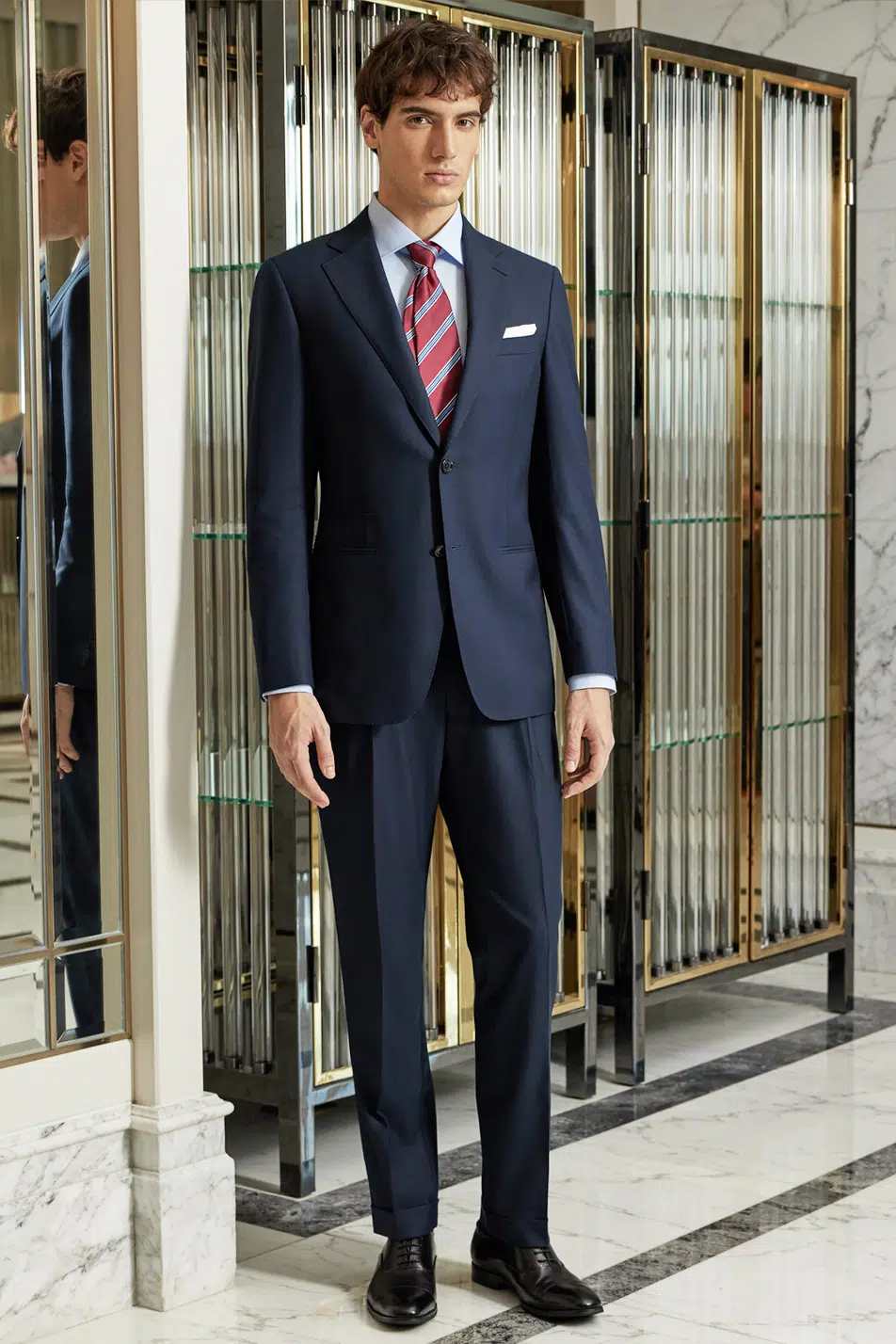
When you hear bespoke and custom suits, they are really not the same thing. The most distinct difference is how much you want in your final garment.
While both options improve fit and style, they are not the same in terms of:
So, stay for a while and read the article if you are building a brand or simply upgrading your wardrobe.
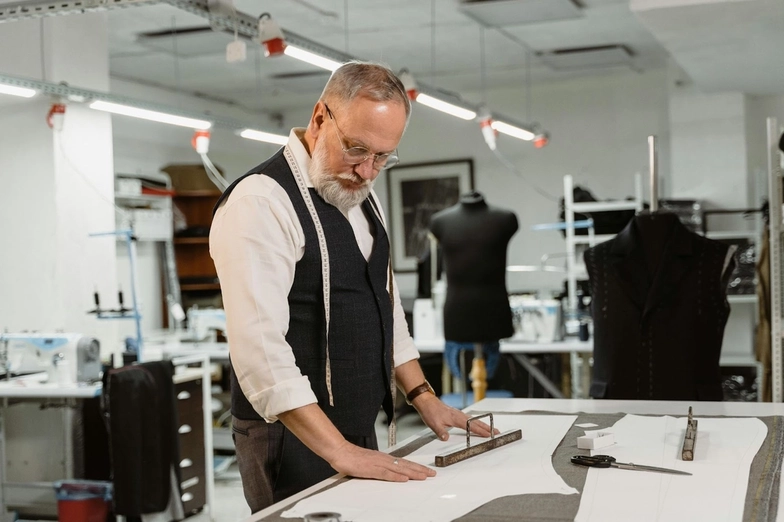
The simplest and most direct answer is that it’s made entirely from scratch for you. That means every part starts with your:
There’s no template to follow or pre-existing pattern. So, the tailor works on a unique pattern based solely on your body.
Here is how the process usually works:
This is the true bespoke suit meaning, full personalization.
Because of this process, you get:
In simple terms, the bespoke tailoring meaning revolves around your style, needs, and preferences.
Now, a custom suit is different as it typically starts from a base pattern that already exists.
Using that template, your tailor adjusts it to match your measurements.
This process is faster and more affordable, given that the suit is less detailed.
Here is what you can expect:
This is sometimes called made-to-measure. That is why people compare a bespoke suit vs made-to-measure one often.
With custom suits, you still get:
However, the fit may not be as precise as bespoke.
To make things clearer, here is a simple comparison:
| Feature | Bespoke Suit | Custom Suit |
| Starting point | Made from scratch | Based on the existing pattern |
| Fit accuracy | Very precise | Moderately precise |
| Fittings | Multiple fittings | Few fittings |
| Production time | Longer | Shorter |
| Cost | Higher | More affordable |
| Design control | Full control | Limited options |
This table helps you quickly understand bespoke vs custom without confusion.
Not always, but in most cases, yes.
Bespoke suits are often linked with luxury because of the time and skill involved. However, the term itself refers to the process, not just the price.
You can think of it this way:
Still, many people associate bespoke with premium products because:
So when you ask, “Does bespoke mean high-end?”, the answer is often yes in practice, but not by definition.
This is a common question, especially for branding.
The answer is yes, but it depends on the tailor or brand.
A bespoke suit label can include:
For private label brands, this is important. You can add your own branding while keeping the bespoke process.
Some brands even use labels to highlight craftsmanship and exclusivity.
No matter which option you choose, fit is the most important factor.
A well-fitted suit can:
On the other hand, a poor fit can ruin even expensive fabrics.
Here is what a good fit should feel like:
Bespoke suits achieve this more easily because everything is built around your body.
Another key difference is how much control you have over fabric materials.
With bespoke, you can choose everything.
For example:
With custom suits, options are often limited to preset selections.
This matters because fabric affects:
If you want a unique product, bespoke gives you more flexibility.
Bespoke is the better choice if you:
It also works well if you are building a luxury line.
You can offer customers:
However, you must also consider time and cost.
Custom suits are more practical in many situations.
You should choose this option if you:
For businesses, this is useful when scaling.
You can maintain decent quality while keeping costs manageable.
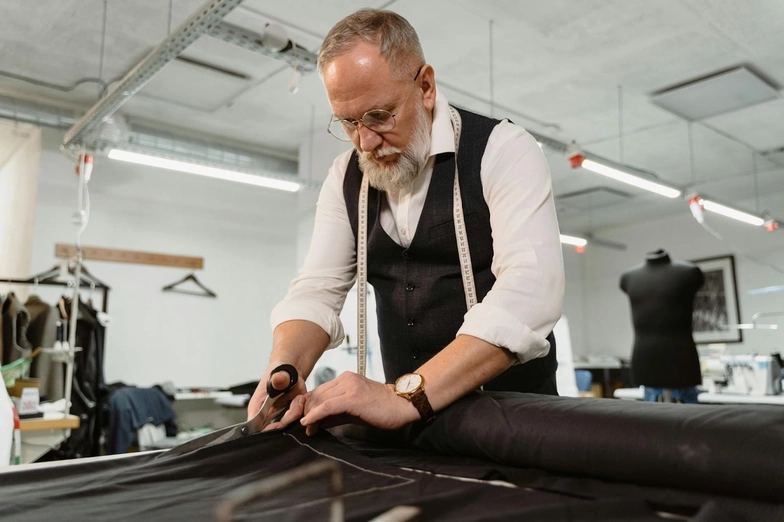
If you’re sourcing suits, you have to guide yourself on how some options affect real decisions.
Here are some overlooked points you should consider when looking for manufacturers:
If you are a brand, this matters a lot.
You need to match your offer with expectations.
This can affect your overall cost.
What suit manufacturers must do is to put their clients at the pinnacle of their priorities.
And with Baoxiniao’s production portfolio, you can experience these opportunities while building your clothing line:
These are the technicalities of manufacturing suits; Baoxiniao carefully handles all of these for you. Contact us today.
You do not have to choose only one.
Many successful brands use both approaches.
For example:
This gives you flexibility in pricing and positioning.
You can also:
This strategy helps balance quality and scalability.
If you are still unsure, here is a quick guide:
Choose bespoke if you want:
Choose custom if you want:
This helps you decide based on your needs, not just definitions.
Remember these key points:
Bespoke gives you:
Custom offers:
If you are building a brand, you can use both to serve different markets. If you are buying for yourself, your choice depends on your budget and expectations.
At the end of the day, the best option is the one that fits your goals, your timeline, and your level of detail.
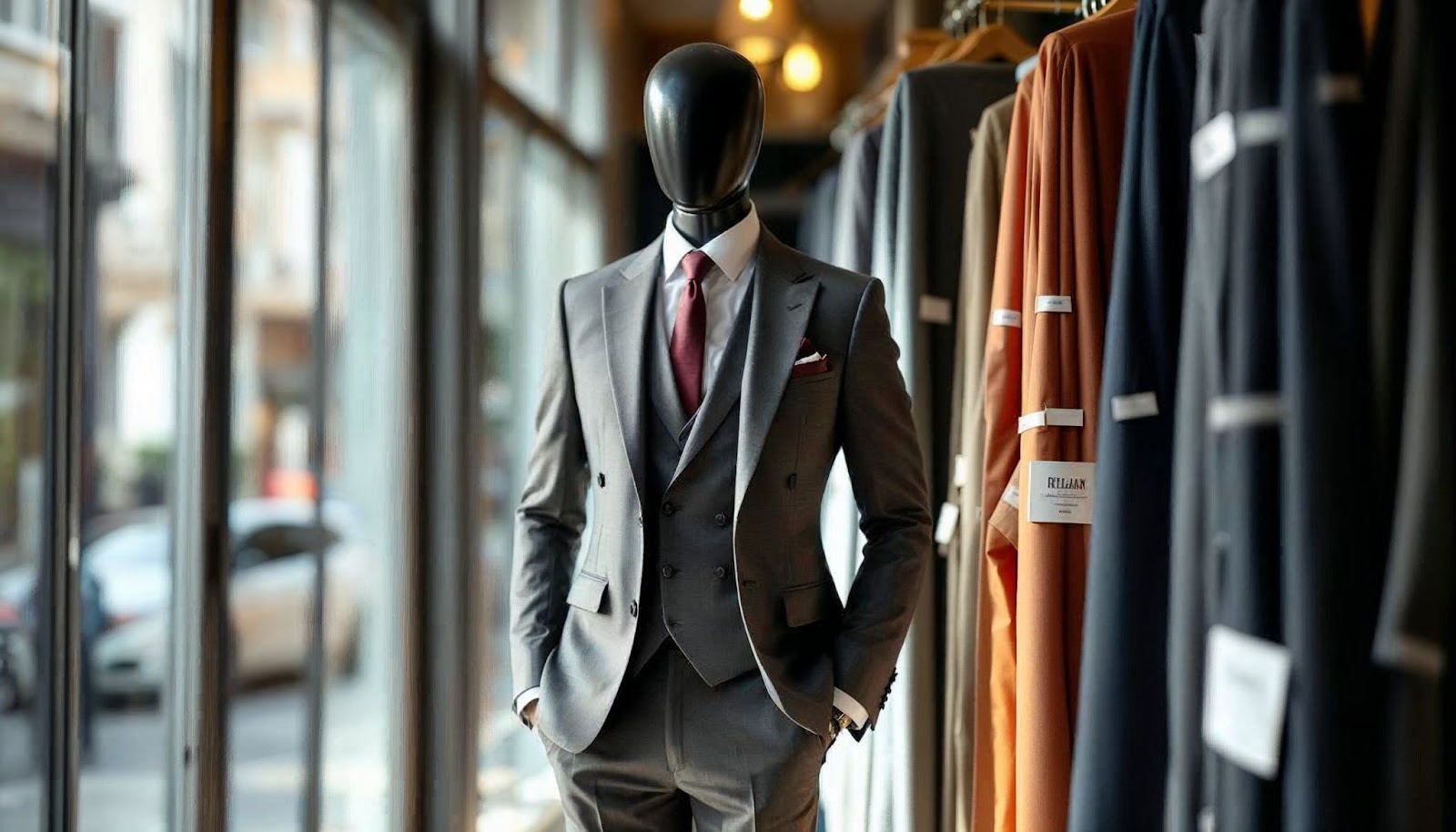
The 2025–2026 fall and winter season brings five key suit trends that are shaping menswear collections worldwide. As a suit manufacturer with over 25 years of production experience, Baoxiniao breaks down each trend with specific sourcing and manufacturing implications — so brand owners and retailers can translate runway direction into production-ready decisions. Luxury and Retro […]
Quiet luxury men—that phrase captures more than just clothes. It’s a movement toward elegance without logos, exclusivity without flash. For buyers and industry insiders, this shift is redefining what power dressing and high-end menswear mean in 2025–26. What Is Quiet Luxury? The quiet luxury trend (aka stealth wealth, old money aesthetic men) isn’t new, but […]

How long should dress pants be? It’s a question that seems simple until you’re standing in front of a mirror, wondering if the hem is too high or puddling over your shoes. The answer comes down to one thing: pant break or the way your pants rest on your shoes. This guide breaks down the […]
ADDRESS: BAOXINIAO OFFICE BUILDING, BAOXINIAO INDUSTRIAL PARK, YONGJIA, ZHEJIANG