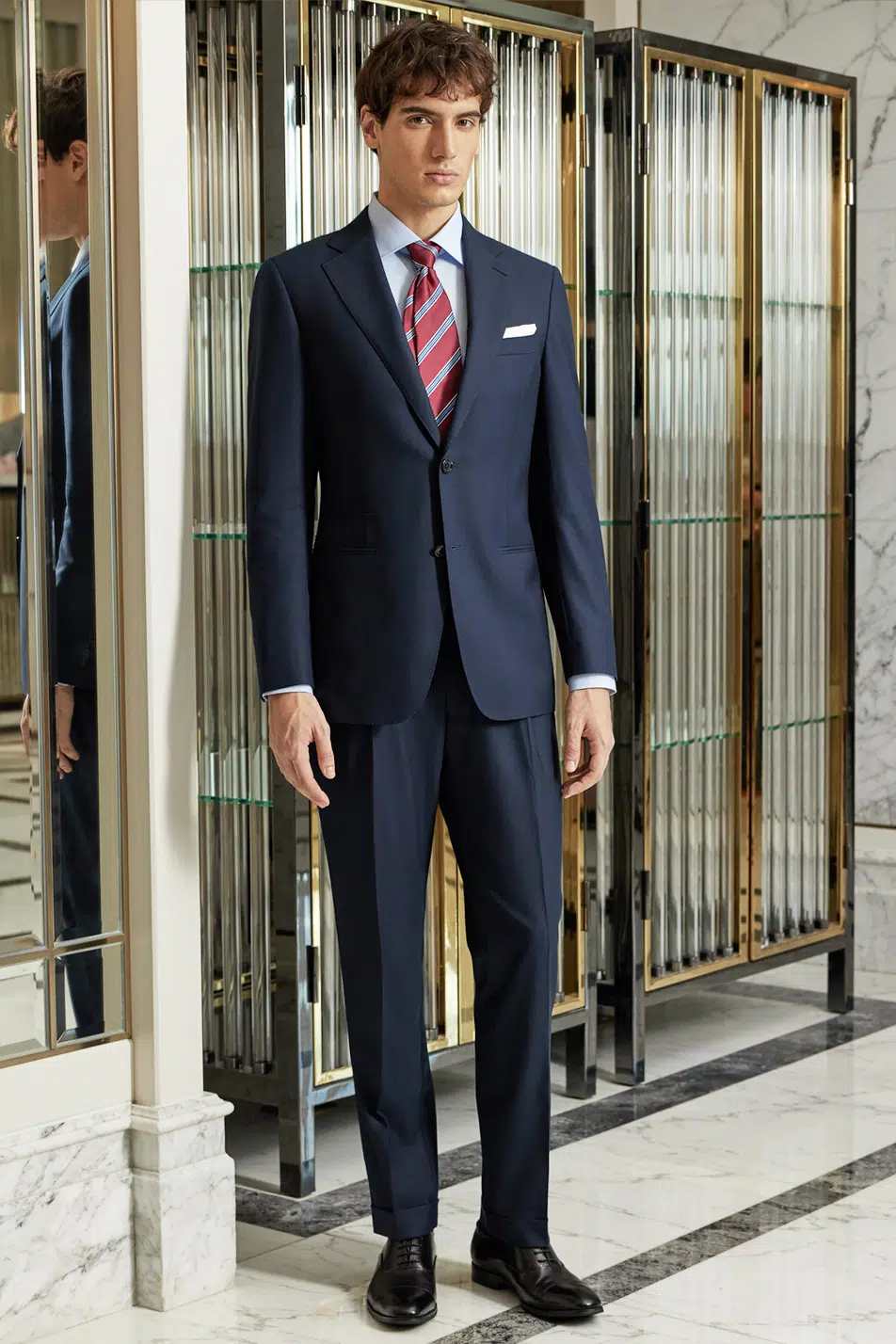
Italian tailoring has easily earned the label “luxury” because the fabric, tailoring, fit, and finishing all work together for comfort and timeless elegance.
It focuses on:
For many buyers and fashion brands, Italian style represents the highest level of suit craftsmanship.
When you understand the elements, you can better identify true luxury Italian suits and even develop your own premium suit line through private label production.
If you plan to build or source high-end tailoring, this article tackles all that you need to know about it. So, read on.

One defining feature of Italian tailoring is the “Spalla Camicia,” also known as the shirt sleeve shoulder.
This construction technique creates a softer and more natural shoulder line.
Here is what makes it unique:
As a result, the jacket feels lighter on your shoulders.
It also improves comfort without losing elegance.
This detail is often a clear sign of authentic Italian craftsmanship.
However, not all Italian suits look the same. The two most recognized styles come from Naples and Milano.
Each one offers a different feel and market position.
Naples tailoring is relaxed and expressive. It focuses on softness and natural movement.
Key features include:
This style works well if you want a laid-back yet refined look.
Milano tailoring is more structured and formal. It sits between Italian softness and British structure.
You will notice:
This makes Milano ideal for business settings.
To fully understand Italian tailoring, it helps to compare it with other global styles.
Each region follows a different philosophy.
| Style | Key Traits | Overall Feel |
| Italian | Soft structure, slim fit, lightweight | Elegant and flexible |
| British (Savile Row) | Strong structure, padded shoulders | Formal and authoritative |
| American | Loose fit, minimal shaping | Practical and relaxed |
When you talk about Italian tailoring, you can’t even start without diving into the role of picking the right fabric.
That’s because Italy is a household name when it comes to some of the most respected textile mills in the world, such as:
These mills control every stage of production, from raw fiber to finished cloth.
This system ensures consistent quality.
Here is how different fabrics are used:
| Fabric Type | Key Feature | Best Use |
| Fine wool | Durable and breathable | Year-round suits |
| Cashmere blends | Soft and warm | Winter suits |
| Wool and silk blends | Smooth with slight shine | Formal wear |
| Linen blends | Light and airy | Summer suits |
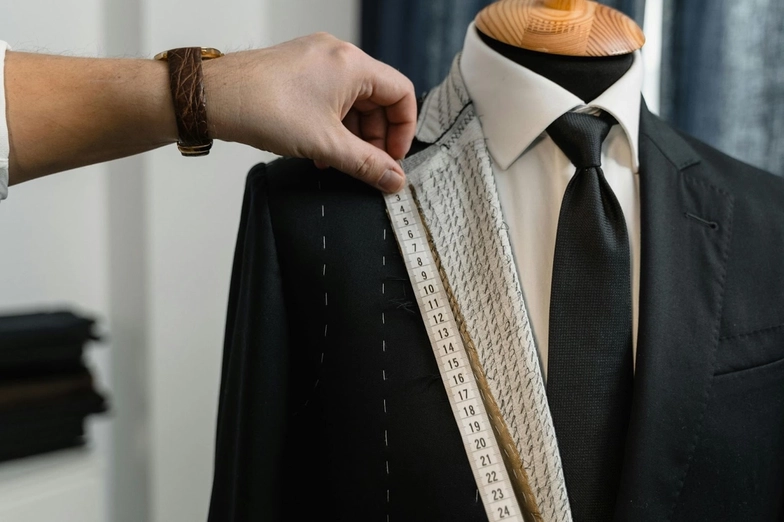
Beyond fabric, construction methods shape how the suit performs.
Italian suits usually use:
Compared to fused suits, canvas construction offers:
Attention to detail is another defining factor.
Italian tailoring includes both machine and hand-finishing techniques.
Common details include:
Not only do these details improve appearance and durability, but they also reflect the skill of the tailor working behind the scenes.
This level of dedication to craftsmanship is one reason many luxury Italian suits brands remain highly valued wherever you go in the world.
All the factors laid down earlier in the article will be of no use if this one factor is missing – the fit.
As far as Italian suits are concerned, these tailoring essentials must be met:
Sometimes, the smallest elements reveal the biggest differences.
You should look for:
These details may seem minor, but they complete the overall look.
They also help separate premium suits from standard ones.
Private label brands can also produce high-end suits when they follow the same quality principles.
If you are developing your own suit collection, several steps can help you achieve luxury standards.
First, work closely with experienced tailoring manufacturers. Production partners should understand premium tailoring methods.
Second, select high-quality fabrics from trusted mills. Fabric choice strongly influences the final product.
Third, focus on pattern development. A well-designed pattern improves both comfort and appearance.
Important development steps include:
By following these steps, private label brands can create suits that compete with established luxury labels.
Developing a luxury suit collection requires careful planning. Brands must coordinate design, fabric sourcing, and manufacturing.
Many companies follow a structured production process.
Typical development stages include:
This process helps ensure the finished garment meets quality expectations.
Working with manufacturers who specialize in tailored garments often improves the final result.
An Italian luxury suit reflects the combination of the following:
Private label companies that focus on fabric selection, fit development, and craftsmanship can successfully create suits that meet the expectations of today’s luxury menswear market.
By applying these principles, you can build a product line that delivers both elegance and long-lasting value.

The 2025–2026 fall and winter season brings five key suit trends that are shaping menswear collections worldwide. As a suit manufacturer with over 25 years of production experience, Baoxiniao breaks down each trend with specific sourcing and manufacturing implications — so brand owners and retailers can translate runway direction into production-ready decisions. Luxury and Retro […]
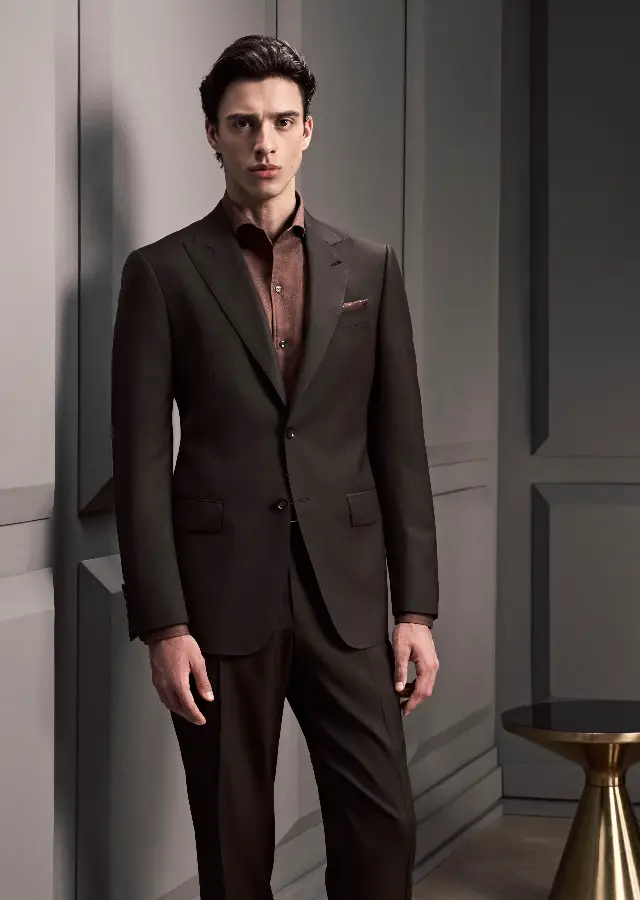
Quiet luxury men—that phrase captures more than just clothes. It’s a movement toward elegance without logos, exclusivity without flash. For buyers and industry insiders, this shift is redefining what power dressing and high-end menswear mean in 2025–26. What Is Quiet Luxury? The quiet luxury trend (aka stealth wealth, old money aesthetic men) isn’t new, but […]

How long should dress pants be? It’s a question that seems simple until you’re standing in front of a mirror, wondering if the hem is too high or puddling over your shoes. The answer comes down to one thing: pant break or the way your pants rest on your shoes. This guide breaks down the […]
ADDRESS: BAOXINIAO OFFICE BUILDING, BAOXINIAO INDUSTRIAL PARK, YONGJIA, ZHEJIANG