Blended fabrics are smart solutions if you’re in the business of suits, whether retail or manufacturing. Why? Because pure wool doesn’t always make sense for the buyer, the climate, or the budget. Let’s break down the practical use of suit fabric blends, with a focus on two of the most common: the wool polyester blend and the wool cotton blend.
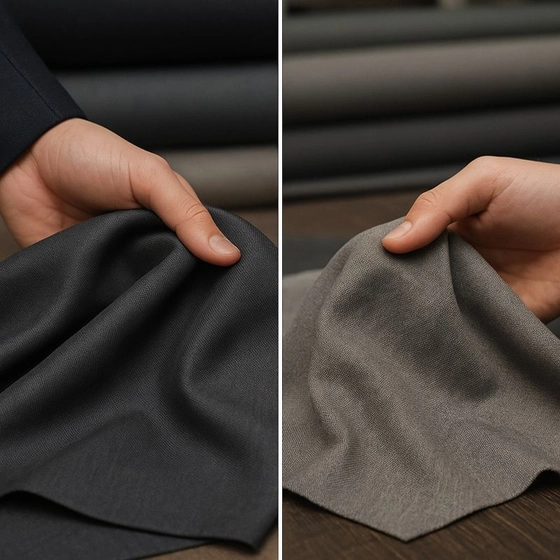
It usually comes down to four things: price, performance, comfort, and production control. Pure wool looks great, but it drives the cost up fast. Blending wool with polyester or cotton keeps the appearance while helping control other factors — like how easily a suit wrinkles, how warm it feels, or how stable it is when being cut and sewn in bulk.
For example, polyester improves crease resistance and stretch. Cotton adds softness and breathability. So, depending on the end use — officewear, wedding suit, or travel blazer — blends offer flexibility where pure fibres can’t.
Factories don’t just guess. Certain ratios have become industry standards because they work well.
Knowing the blend ratio comparison helps with production decisions. Not just fabric price, but how the material handles pressing, stitching, and even washing later on.
This part often gets skipped. But if you’ve ever seen a suit lose its shape after just a few wears, odds are it came from the wrong blend. Blends with more polyester hold creases better and resist sagging. But if you go too far — say 40% or more polyester — you can start to lose drape and get a shiny finish, especially under stage lights or flash.
Cotton blends feel great but tend to relax quickly. That can be a problem in structured suits unless reinforced with interfacing or internal shaping. And in cutting rooms, high-cotton fabrics may shrink unevenly if not pre-treated.
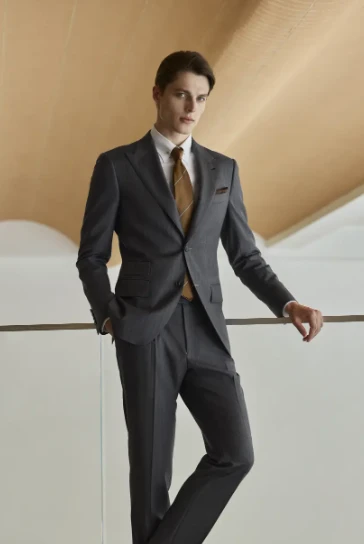
Blend choices also vary by region.
Factories often adjust recommendations based on where the finished suits will be sold.
The fabric you choose shapes everything — from how a suit fits to how it sells. The right suit fabric blend can cut costs, speed up production, and reduce returns. Call us to get matched with tested, factory-approved blends that fit your price point, target market, and MOQ. We’ll handle sourcing, sampling, and help streamline your production from fabric to finish.

The 2025–2026 fall and winter season brings five key suit trends that are shaping menswear collections worldwide. As a suit manufacturer with over 25 years of production experience, Baoxiniao breaks down each trend with specific sourcing and manufacturing implications — so brand owners and retailers can translate runway direction into production-ready decisions. Luxury and Retro […]
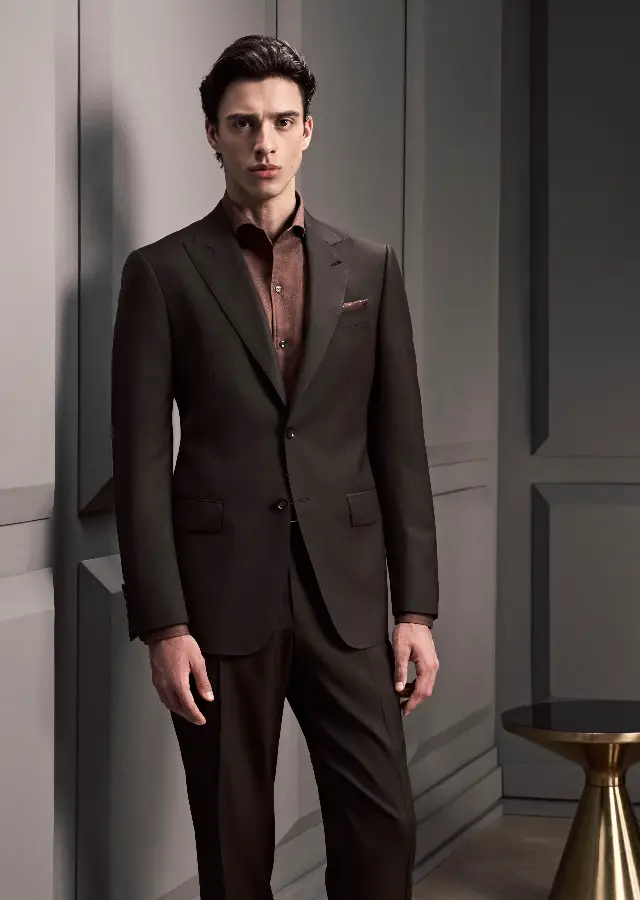
Quiet luxury men—that phrase captures more than just clothes. It’s a movement toward elegance without logos, exclusivity without flash. For buyers and industry insiders, this shift is redefining what power dressing and high-end menswear mean in 2025–26. What Is Quiet Luxury? The quiet luxury trend (aka stealth wealth, old money aesthetic men) isn’t new, but […]

How long should dress pants be? It’s a question that seems simple until you’re standing in front of a mirror, wondering if the hem is too high or puddling over your shoes. The answer comes down to one thing: pant break or the way your pants rest on your shoes. This guide breaks down the […]
ADDRESS: BAOXINIAO OFFICE BUILDING, BAOXINIAO INDUSTRIAL PARK, YONGJIA, ZHEJIANG