Most suit complaints don’t start with tailoring — they start with the quality of the fabric. When durability is overlooked, you end up dealing with pilling, fading, shrinking, or worse — customer returns. If you’re managing sourcing, production, or wholesale, you need to know that suit fabric durability and suit type are the difference between repeat orders and costly refunds.
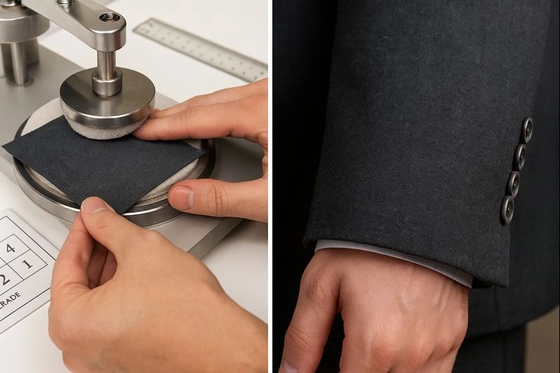
Factories across China report similar issues in after-sales reports, especially when suit fabric wasn’t tested properly up front:
All of these are avoidable with better testing and better fabric selection from the start.
The good news is that these issues aren’t random. They can be predicted (and prevented) using standard tests:
Many buyers overlook this: climate affects suit fabric performance. In humid regions, fabrics are more prone to shrinkage and puckering, especially if not pre-treated. Lightweight wools or viscose blends can absorb moisture and change shape after pressing or wear.
In dry climates, static becomes a real issue, especially with polyester or acetate linings. Blends that aren’t finished properly build static fast, leading to discomfort and dust attraction, which also shows up in suit complaints.
Chinese mills that deal with export orders often run this checklist for clients before confirming bulk:
If your fabric supplier can’t answer these, you’re likely to face after-sales issues later.
The fastest way to avoid returns is by choosing materials with proven suit fabric durability, not just lab results, but real-world wear data. Every roll we supply is tested at the factory level for shrinkage, pilling, and colourfastness, so you’re not guessing when it goes to production.
If you’re planning a new line or fixing recurring issues, Baoxiniao supply durable fabrics made to perform after the sale — not just in samples. Get in touch for help on how to source smarter. We’ll help you choose materials that protect your brand, margins, and customer trust.

Italian tailoring has easily earned the label “luxury” because the fabric, tailoring, fit, and finishing all work together for comfort and timeless elegance. It focuses on: For many buyers and fashion brands, Italian style represents the highest level of suit craftsmanship. When you understand the elements, you can better identify true luxury Italian suits and […]

A double-breasted suit’s design has an overlapping front and two rows of buttons that can be worn well for: You can wear it in both formal and smart settings as long as you carry yourself with confidence. If you want to upgrade your wardrobe or explore formal fashion, this style is worth considering. Read on […]
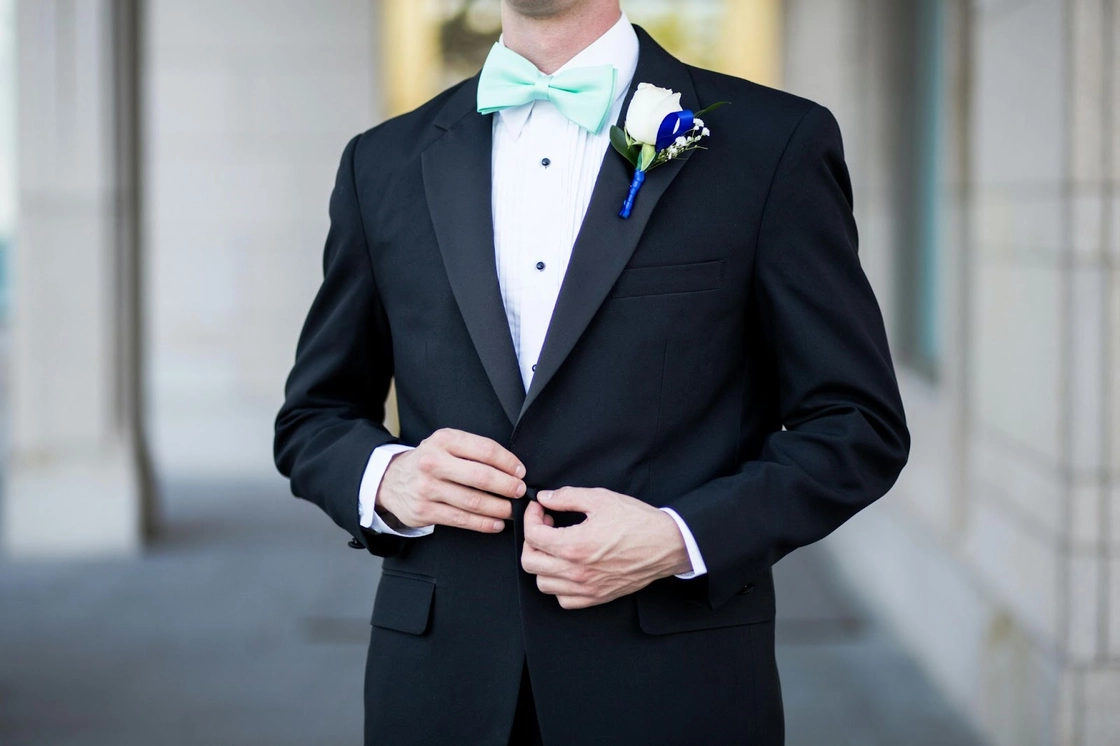
Black and white suits continue to sell well because they are simple, versatile, and suitable for many occasions. When you stock black and white suits, you offer customers a style that works for: While fashion trends change over time, black and white combinations remain consistent in demand. That’s because they are easy to wear and […]
ADDRESS: BAOXINIAO OFFICE BUILDING, BAOXINIAO INDUSTRIAL PARK, YONGJIA, ZHEJIANG