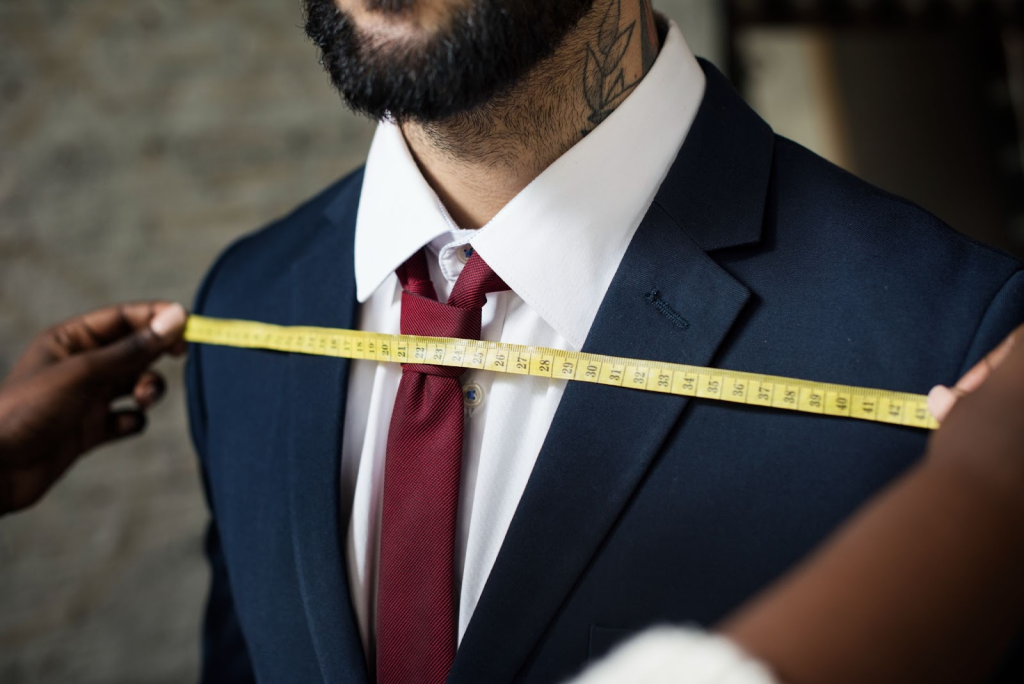
Knowing how a suit should fit makes all the difference between a sharp, confident look and something that feels off. It’s the single most important factor in making a suit work — more than color, fabric, or price tag.
Whether you’re getting your first business suit, advising a client, or brushing up your style knowledge, this is your go-to men’s suit fit guide. Let’s break down every part of the suit — with clear measurements and real-life rules — so you never second-guess the fit again.
The shoulder fit sets the frame for the entire suit. If the shoulders are off, everything else will fall apart — literally and visually.
Your jacket should shape your torso without pulling or flaring. Think tailored, not tight.
Sitting down? The jacket shouldn’t ride up or pull at the vent. If it does, consider a size up or tailoring.
How should a blazer fit through the sleeves and arms? Note that clean lines and easy movement are what you’re after.
This is one of the smallest details, but also one of the easiest ways to tell if a suit fits properly.
This sleeve length is ideal for a balanced, classic look. Make sure your shirt sleeves are also correctly fitted — the jacket can’t do all the work.
The suit jacket length affects your body proportions and gets noticed more than most people think.
Fit doesn’t end at the jacket. Properly fitted pants make or break a tailored look.
Use this for yourself or to guide clients:
| ✅ Shoulders: Seam aligns with the edge of your shoulder ✅ Chest: Jacket buttons easily with no pulling ✅ Waist: Gently tapers, allows for easy movement ✅ Sleeves: ¼–¾” of shirt cuff visible ✅ Jacket length: Ends at thumb knuckle, covers seat ✅ Trousers: Waist secure, seat smooth, pant break slight |
Want a custom suit that gets every detail right on how a suit should fit? Baoxiniao suits are built on exact measurements, modular tailoring, and smart production — with global delivery in just 7 days. Contact us today for more info!

Italian tailoring has easily earned the label “luxury” because the fabric, tailoring, fit, and finishing all work together for comfort and timeless elegance. It focuses on: For many buyers and fashion brands, Italian style represents the highest level of suit craftsmanship. When you understand the elements, you can better identify true luxury Italian suits and […]

A double-breasted suit’s design has an overlapping front and two rows of buttons that can be worn well for: You can wear it in both formal and smart settings as long as you carry yourself with confidence. If you want to upgrade your wardrobe or explore formal fashion, this style is worth considering. Read on […]
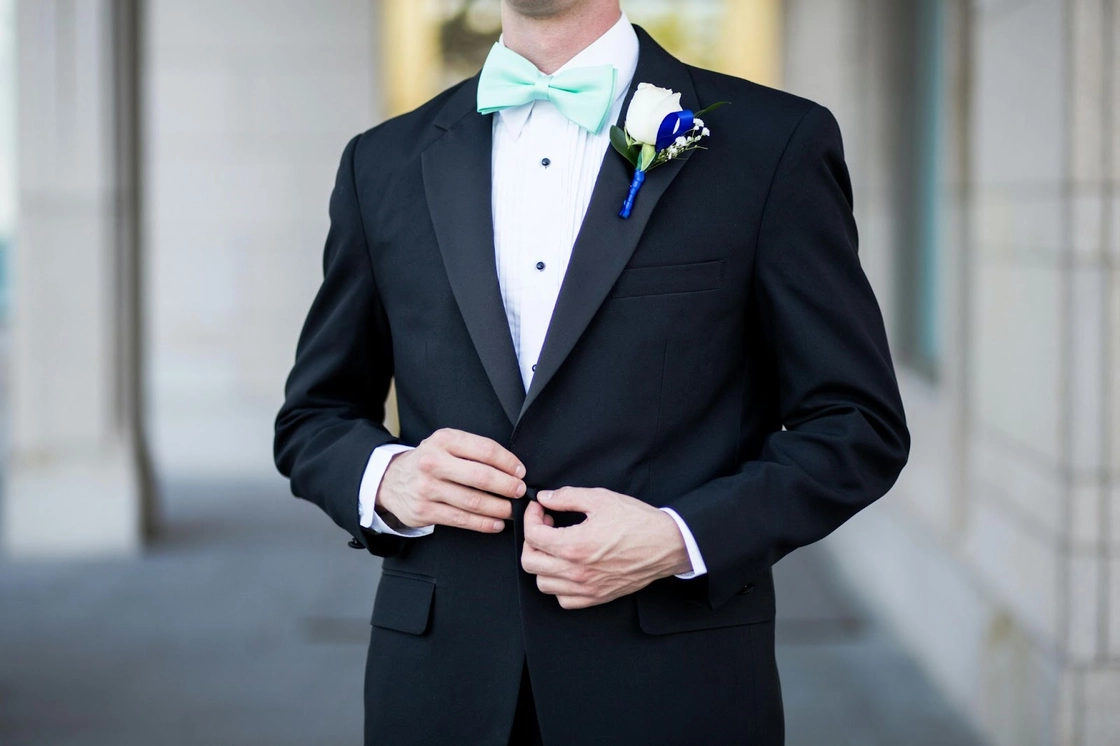
Black and white suits continue to sell well because they are simple, versatile, and suitable for many occasions. When you stock black and white suits, you offer customers a style that works for: While fashion trends change over time, black and white combinations remain consistent in demand. That’s because they are easy to wear and […]
ADDRESS: BAOXINIAO OFFICE BUILDING, BAOXINIAO INDUSTRIAL PARK, YONGJIA, ZHEJIANG