One difference that you can conclude between classic tailoring and modern suit design is the target market that brands want to penetrate.
In a nutshell, it all comes down to:
Value-wise, both styles are strong; they appeal to customers with different buying behaviors.
And if you’re building a menswear line, you must familiarize yourself with these things to help you create a clear and profitable business.
We discussed more in the article; better stay until the end to learn more.
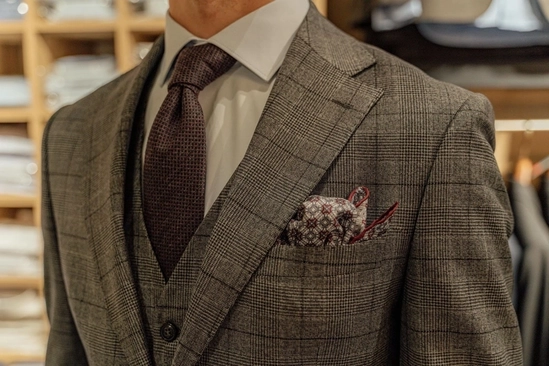
Traditional suits have established a clear path of long-standing tailoring rules, not to mention:
You will often see:
These features create a formal and polished look.
For example, traditional suits for men often include full canvas construction and detailed hand finishing.
This style is built to last and to maintain a formal image.
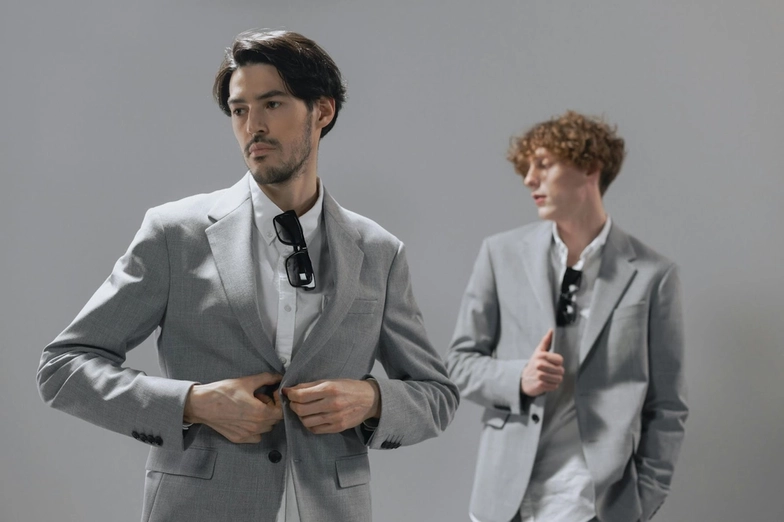
Modern tailoring focuses on comfort, flexibility, and personal style. It adapts to how people live and work today.
You will notice:
This approach makes suits feel easier to wear.
It also opens the door to casual styling, which is growing in demand.
To build a strong collection, you need to understand how these styles differ in design.
Here is a simple comparison:
| Feature | Traditional Style | Modern Tailoring |
| Fit | Structured and classic | Slim or relaxed |
| Fabric | Heavier, more rigid | Lightweight and flexible |
| Construction | Full canvas or half canvas | Fused or hybrid |
| Styling | Formal and timeless | Versatile and trend-driven |
| Comfort | Moderate | High |
Now, let’s look at what your customers actually want.
Today’s buyers are moving toward comfort and versatility. However, formalwear still has a strong place.
You will often see two clear groups:
These customers are more likely to choose the best traditional suits for long-term use.
They want flexibility and comfort.
Understanding these groups helps you shape your product mix.
One area many brands overlook is cultural inspiration. This can help you stand out.
For example, a traditional French suit often features clean lines and elegant proportions. It leans toward minimal detail but refined structure.
On the other hand, traditional Japanese suits for men may focus on relaxed shapes and subtle design elements. These styles can feel more fluid and modern.
You can use these influences to create unique collections.
This adds depth to your brand without losing direction.
As you apply these cultural elements to your designs, you also need to think about how they translate into complete suit sets.
This is where the 3-piece suit becomes relevant, since it reflects both tradition and modern updates in a single product.
The 3-piece suit remains an important product in both categories.
A 3-piece suit, traditional style, usually includes:
This creates a complete and formal look.
Meanwhile, modern tailoring updates this design.
You may see:
There is also growing interest in a traditional 3-piece suit for women, especially in formal and corporate settings.
This opens new product opportunities beyond menswear.
Your pricing should reflect your design approach.
Traditional styles often sit in the premium range because of materials and construction.
Modern tailoring allows more flexibility.
Here is how you can position your products:
You can also create tiered pricing within each category.
This helps you reach a wider audience.
Production strategy is where many brands struggle.
Traditional suits are harder to scale because they require more time and skilled labor.
Modern tailoring is easier to produce in larger volumes.
Here is a simple breakdown:
Balancing these factors is key to profitability.
Many articles focus only on style differences. However, they miss the business side.
Here are the gaps you should pay attention to:
This affects how often you update collections.
These factors shape how customers see your brand.
You do not need to choose only one direction.
In fact, combining both can strengthen your offer.
Here is how you can do it:
This approach gives you flexibility.
It also helps you serve different customer needs.
If you are planning your next collection, use this as a quick reference:
Choose a traditional focus if you want:
Choose a modern focus if you want:
Most successful brands use both.
There’s no rivalry between traditional suits and modern tailoring. It only depends on how you build a smarter product strategy.
That being said:
If you align your products with customer needs, you can create a strong and lasting brand.
In the end, your success depends on how well you combine tradition with innovation.
This also means choosing a suit manufacturer that can handle:
At Baoxiniaio, this is powered by a modular, high-efficiency production system that seamlessly supports both traditional and modern suits — from bulk production to made-to-measure.

Italian tailoring has easily earned the label “luxury” because the fabric, tailoring, fit, and finishing all work together for comfort and timeless elegance. It focuses on: For many buyers and fashion brands, Italian style represents the highest level of suit craftsmanship. When you understand the elements, you can better identify true luxury Italian suits and […]
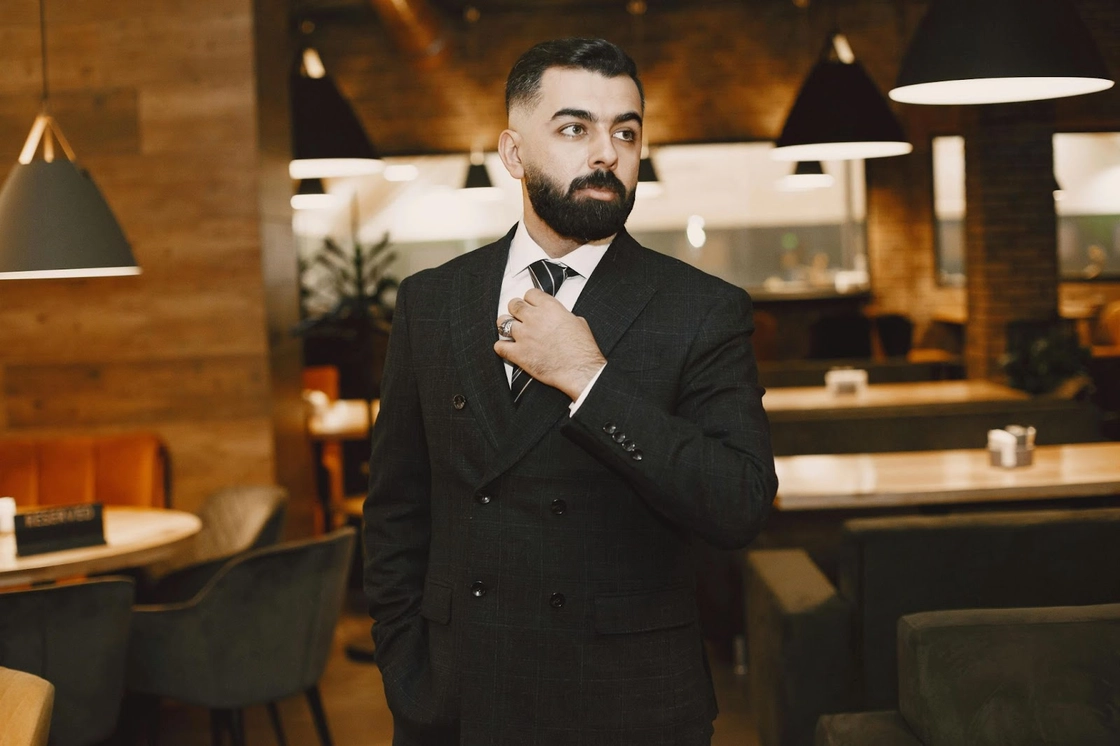
A double-breasted suit’s design has an overlapping front and two rows of buttons that can be worn well for: You can wear it in both formal and smart settings as long as you carry yourself with confidence. If you want to upgrade your wardrobe or explore formal fashion, this style is worth considering. Read on […]
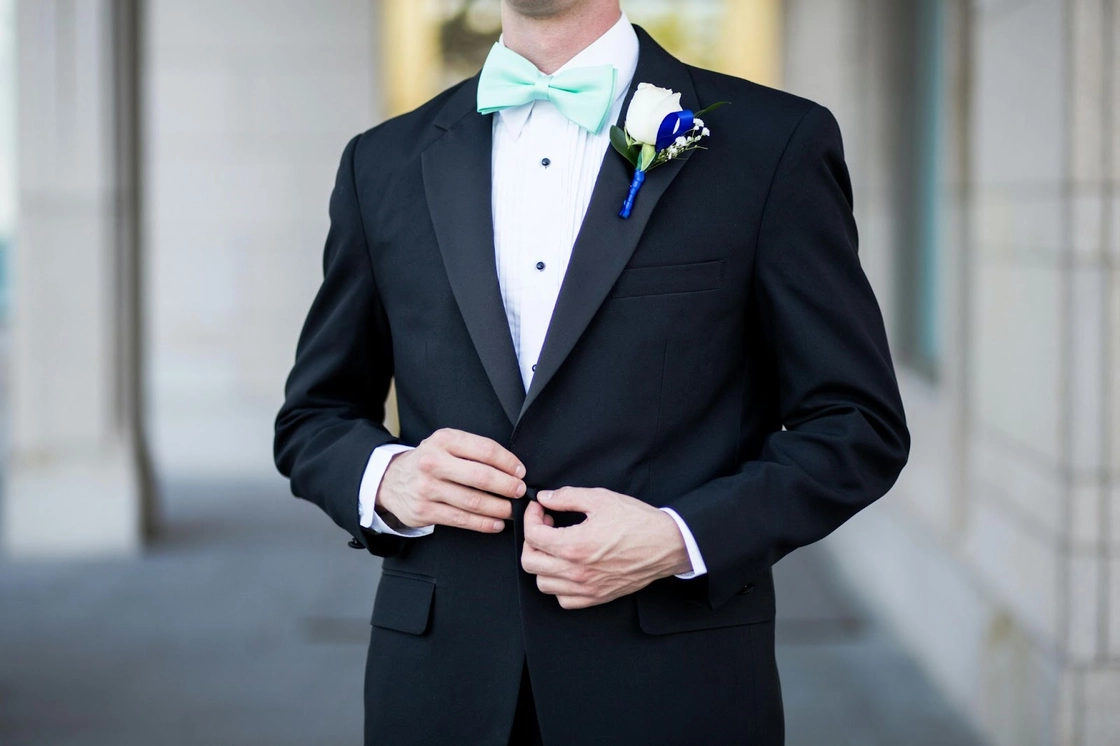
Black and white suits continue to sell well because they are simple, versatile, and suitable for many occasions. When you stock black and white suits, you offer customers a style that works for: While fashion trends change over time, black and white combinations remain consistent in demand. That’s because they are easy to wear and […]
ADDRESS: BAOXINIAO OFFICE BUILDING, BAOXINIAO INDUSTRIAL PARK, YONGJIA, ZHEJIANG