A lot of clothes feel the same. What you don’t see is what they’re made from and that’s where things start to matter.
If you’re trying to reduce waste, pollution, or just want better materials for your custom clothes, here are the materials you should look at.
Organic cotton is grown without synthetic pesticides. That’s the main difference. It usually uses less water too, depending on where it’s farmed.
The fabric feels the same as regular cotton, maybe a bit softer. It’s good for t-shirts and sweatshirts. People who want less chemical use in their clothes tend to go for it. Not perfect, but better than standard cotton in most cases.
Take plastic bottles. Or old polyester clothes. Break them down, spin them into new thread. That’s recycled poly.
It’s not fancy, but it lasts. Doesn’t wrinkle much, holds its shape. Good for jackets, gym wear, anything that needs to be tough.
Fast-growing. No pesticides. Low water use. That’s the short version.
It’s not super smooth—has a textured feel—but it lasts. Gets softer over time. Looks natural. Works for button-downs, workwear, or relaxed styles. If your customer wants something that feels low-key and real, hemp does the job.
Also called Lyocell. Made from wood pulp, often eucalyptus. The production is closed-loop, so almost nothing gets wasted.
Has a clean, smooth finish. Drapes well. Used in flowy shirts, dresses, anything that needs movement. It’s higher-end than cotton or poly, but worth it for custom clothes that lean premium.
Old shirts, cuttings from factories—this is what gets turned into recycled cotton. Less water used. Less energy too. Texture depends on the blend.
By itself, it can feel a little rough. Often mixed with new cotton or something soft. Works best in tees, hoodies, bags, or casual pieces. Not great for fine tailoring.
Some brands are testing to use materials like Piñatex (pineapple fiber), mushroom leather, and fabric made from algae. Not super mainstream yet. You’ll mostly see them in concept collections or accessories.
These won’t be part of your everyday line—at least not yet—but worth keeping an eye on.
Picking an eco friendly fabric changes how your product feels, wears, and gets made. If you’re designing custom clothes with that in mind, the fabric is where it starts.
No one fabric checks all the boxes. It depends on the job. But organic cotton, recycled polyester, hemp, and Tencel all give you better options without adding to the mess.
If you’re looking to build better pieces, get in touch with us. You may also check out our eco fabric selection.

Italian tailoring has easily earned the label “luxury” because the fabric, tailoring, fit, and finishing all work together for comfort and timeless elegance. It focuses on: For many buyers and fashion brands, Italian style represents the highest level of suit craftsmanship. When you understand the elements, you can better identify true luxury Italian suits and […]

A double-breasted suit’s design has an overlapping front and two rows of buttons that can be worn well for: You can wear it in both formal and smart settings as long as you carry yourself with confidence. If you want to upgrade your wardrobe or explore formal fashion, this style is worth considering. Read on […]
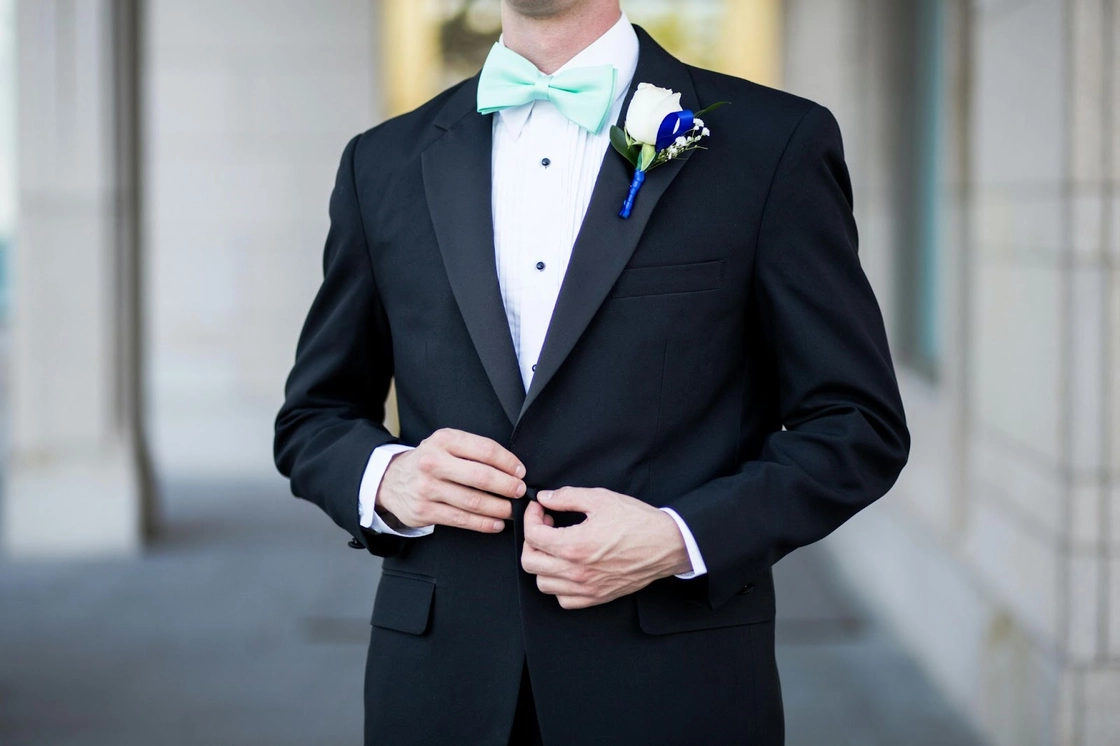
Black and white suits continue to sell well because they are simple, versatile, and suitable for many occasions. When you stock black and white suits, you offer customers a style that works for: While fashion trends change over time, black and white combinations remain consistent in demand. That’s because they are easy to wear and […]
ADDRESS: BAOXINIAO OFFICE BUILDING, BAOXINIAO INDUSTRIAL PARK, YONGJIA, ZHEJIANG