When people talk about what makes one suit cost more than another, they often point to brand names or tailoring. But most of the time, it starts with the fabric. Let’s break down the real differences between premium vs budget suit fabrics, what goes into the price, and how smart sourcing can stretch a budget without cutting corners.
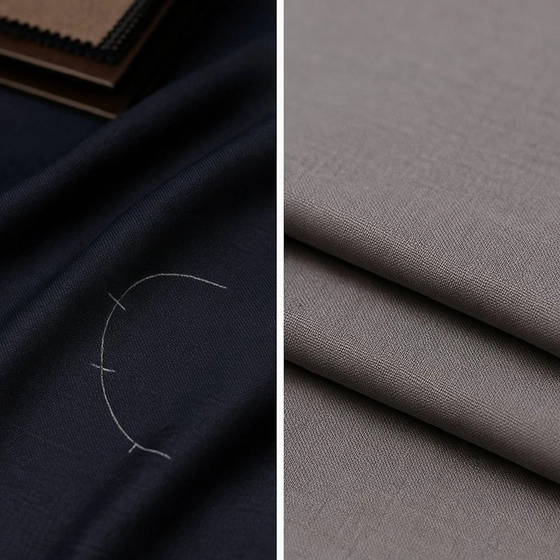
Start with the fibre type. The wool vs polyester cost difference is probably the clearest example. Pure wool, especially superfine Merino, costs significantly more than polyester or poly-viscose blends. That’s because it comes from a natural source, takes more effort to process, and delivers better breathability and drape. Polyester is man-made, mass-produced, and much cheaper per metre. Suit fabric cost depends heavily on this initial selection.
Blended fabrics offer a compromise. A 60-40 wool-poly blend lowers cost without completely sacrificing feel. Many factories recommend blends like this when a buyer wants a refined look on a lower budget.
Even within one fibre type, costs vary. High-density weaves require more yarn per metre, which increases fabric weight and quality but also pushes the price higher. Finer yarns, like those found in Super 120s and above, feel smoother and create a sleeker finish — but they come with higher prices.
Low-density fabrics may look fine on the roll but tend to lose shape faster after wear or cleaning. That’s why factories usually recommend high-density cloth for formalwear or wedding suits and lower grades for mass-market or short-term use.
The finish applied to a fabric can add both performance and cost. A basic wool may jump in price after it’s been through super wash treatment, anti-wrinkle finishing, or processes like Mercerisation. These steps improve the fabric’s durability, softness, and washability, which matters if the suit needs to look good after several wears.
Many buyers skip over this, focusing only on fabric composition. But finishing is what often separates a budget suit from one that feels truly premium. Refer to our suit fabric guide for more on these technical steps.
There’s a major suit fabric price comparison between mills in different regions. Italian and UK mills charge more, not just for quality, but for heritage, consistency, and branding. The China vs Italy debate often centers on balancing volume with prestige. Chinese mills can offer excellent quality too, especially in high-MOQ orders, but prices are more flexible and often negotiable.
In real manufacturing scenarios, factories will suggest different options depending on your market. For fast-fashion or high-volume retail, China is often the better fit. For high-end suits or boutique tailoring, Italy and the UK offer finishes and fabric grades that justify the higher cost.
One thing that’s often overlooked: fabric grade affects your MOQ. High-grade wools or custom-dyed fabrics often require larger minimums. That’s tough for small brands or first-time buyers. In contrast, polyester blends or stocked fabrics are easier to access with low quantities and shorter lead times.
Factories often break it down by buyer type.
Understanding premium vs budget suit fabrics is about knowing how each element affects the final product and cost. If you’re planning your next collection, ask your factory to walk you through the options. The right fabric doesn’t have to be the most expensive. It just has to be the right fit for your customer. Check out our product range or call us if you need help picking the right suit fabric for your price range. We’ll help you match quality with budget.
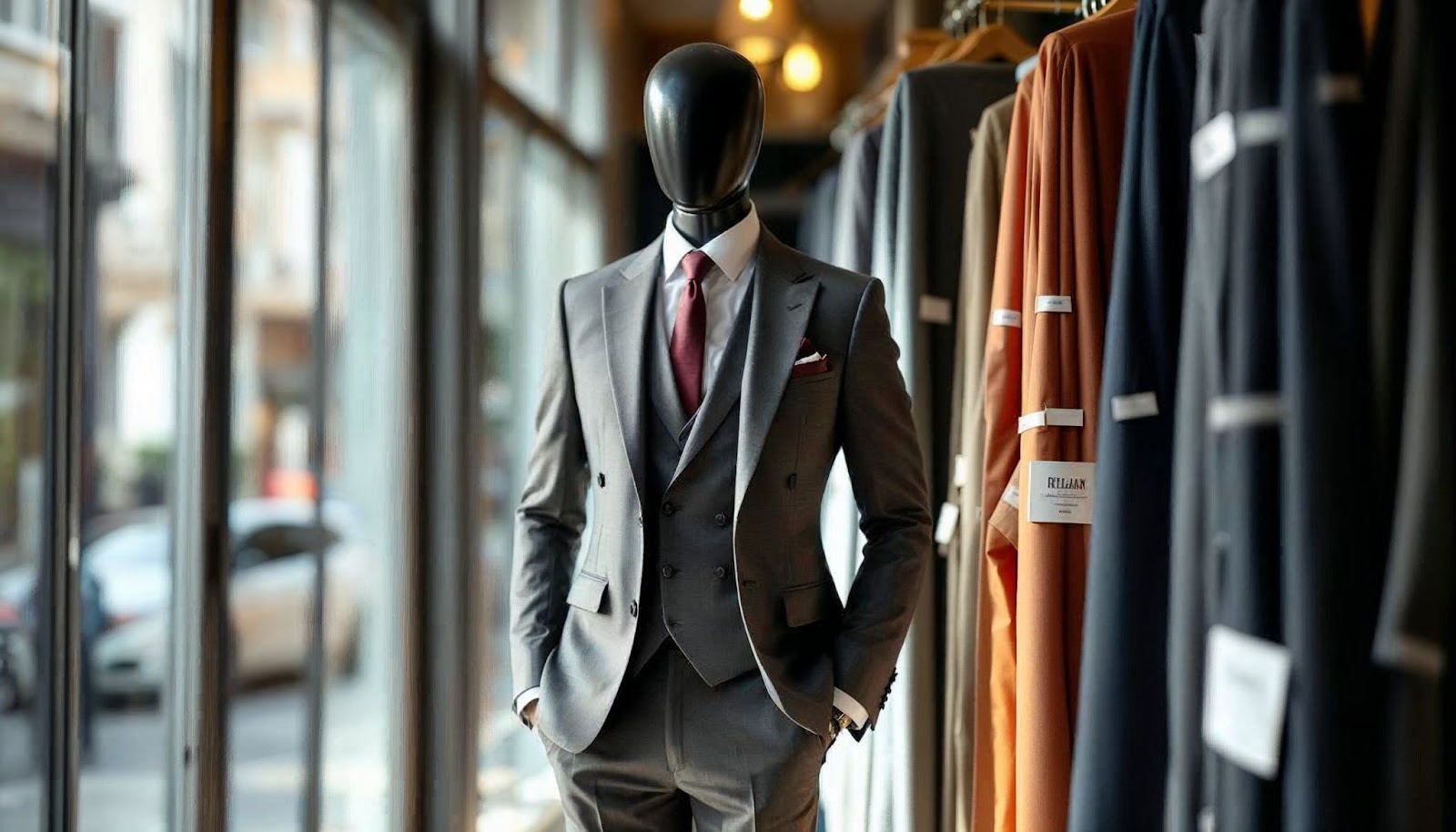
The 2025–2026 fall and winter season brings five key suit trends that are shaping menswear collections worldwide. As a suit manufacturer with over 25 years of production experience, Baoxiniao breaks down each trend with specific sourcing and manufacturing implications — so brand owners and retailers can translate runway direction into production-ready decisions. Luxury and Retro […]
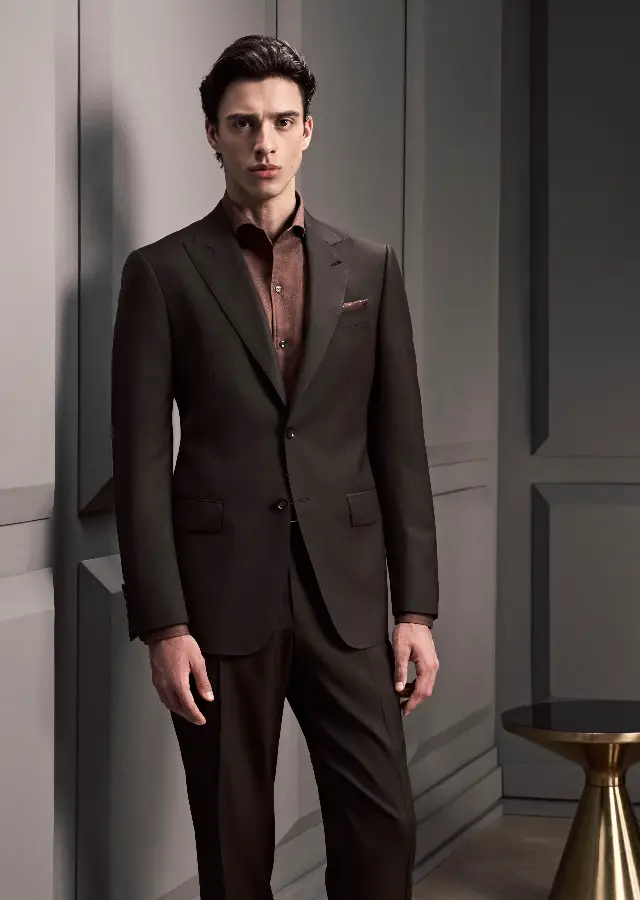
Quiet luxury men—that phrase captures more than just clothes. It’s a movement toward elegance without logos, exclusivity without flash. For buyers and industry insiders, this shift is redefining what power dressing and high-end menswear mean in 2025–26. What Is Quiet Luxury? The quiet luxury trend (aka stealth wealth, old money aesthetic men) isn’t new, but […]

How long should dress pants be? It’s a question that seems simple until you’re standing in front of a mirror, wondering if the hem is too high or puddling over your shoes. The answer comes down to one thing: pant break or the way your pants rest on your shoes. This guide breaks down the […]
ADDRESS: BAOXINIAO OFFICE BUILDING, BAOXINIAO INDUSTRIAL PARK, YONGJIA, ZHEJIANG