If you’re in suits — making, selling, or even just wearing — you know fabric matters more than most people realise. It’s not just about the look. How it feels, how it holds up, how much it costs to deal with long-term? All of it comes down to the material.
This isn’t some deep technical manual. Just a straight-up suit fabric guide to help you understand the most common suit fabric types: wool suit fabric, polyester suit fabric, linen suit fabric, and blended suit fabrics so you can pick what makes sense for your needs.
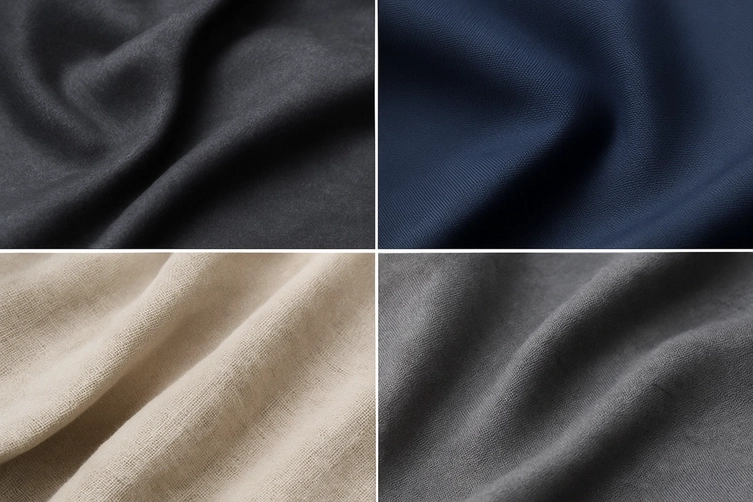
| Feature | Wool | Polyester | Linen | Blended Fabrics |
| Breathability | High | Low | Very high | Varies (depends on mix) |
| Wrinkle Resistance | Good | Excellent | Poor | Generally good |
| Comfort | Soft, temperature-regulating | Can feel synthetic | Light, crisp | Depends on the dominant fibre |
| Ideal Use Cases | Business, weddings, all seasons | Uniforms, fast fashion, rentals | Summer suits, casual events | Travel suits, mid-range collections |
| Maintenance | Dry clean | Machine washable or dry clean | Dry clean or gentle wash | Easier care than pure natural fibres |
| Cost | Moderate to high | Low | Moderate | Moderate |
| MOQ Flexibility | Often higher | Low | Usually high | More flexible than pure fibres |
| Common Risks | It can shrink if not treated | Shrinkage, colour fading in cheap grades | Wrinkles easily | Depends on fibre blend & quality |
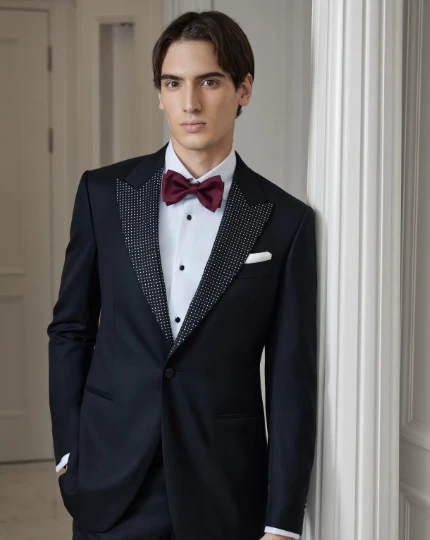
Hard to beat. Wool suit fabric has been the default for decades, and it still holds up. It breathes, it drapes well, and with the right weave, you can wear it most of the year.
Lightweight versions work for spring/summer. Flannel’s great when it gets cold. Most business suits? Wool.
Quick note: if you’re sourcing, always double-check it’s actually wool. Burn a fibre. Real wool smells like burnt hair and turns to ash. If it melts or smells off, it’s synthetic.
Good for: Businesswear, weddings, all-season tailoring.
Not as glamorous, but it has its place. Polyester suit fabric is everywhere for a reason: it’s cheap, durable, and doesn’t wrinkle much.
The thing is, they don’t breathe. So if someone’s wearing it for long hours or under hot lights… not ideal. But for uniforms, rentals, or anything with a fast turnover? Makes total sense.
Make sure to test it, though. Some rolls shrink more than expected. Others bleed colour during cleaning. A few small checks early on can save a lot of trouble later.
Works well for: Uniforms, fast fashion, low-MOQ orders.
This one’s all about the weather. If it’s hot out, linen suit fabric wins. Breathable, light, and looks relaxed. Just don’t expect it to stay smooth. It wrinkles fast, and that’s just how it is.
Used a lot in destination weddings, summer suiting, anything outdoors. It’s made from flax, which gives it that slightly rough, textured feel. Mills sometimes check under a microscope to confirm—it’s got a distinct fibre shape.
Best for: Summer events, beachwear, casual tailoring.
Blended suit fabrics are the middle ground. Want something that looks like wool but handles like polyester? Blend it. Want to soften linen? Add cotton. It’s a way to balance performance and price.
Common one: wool-poly. Still looks sharp, but doesn’t crease as much and costs less. You’ll need to test it, though—especially post-cleaning. Some blends shift in ways you don’t expect.
Used in: Everyday workwear, travel suits, mid-tier collections.
The right suit fabric type depends on the person, the purpose, and, honestly, the budget. Keep this suit fabric guide nearby. It’ll save you second-guessing later on.
Looking for fabric that delivers without the drama? Check out our product range or just ask for a sample. We’ll help you figure out what works. Get in touch with us today!
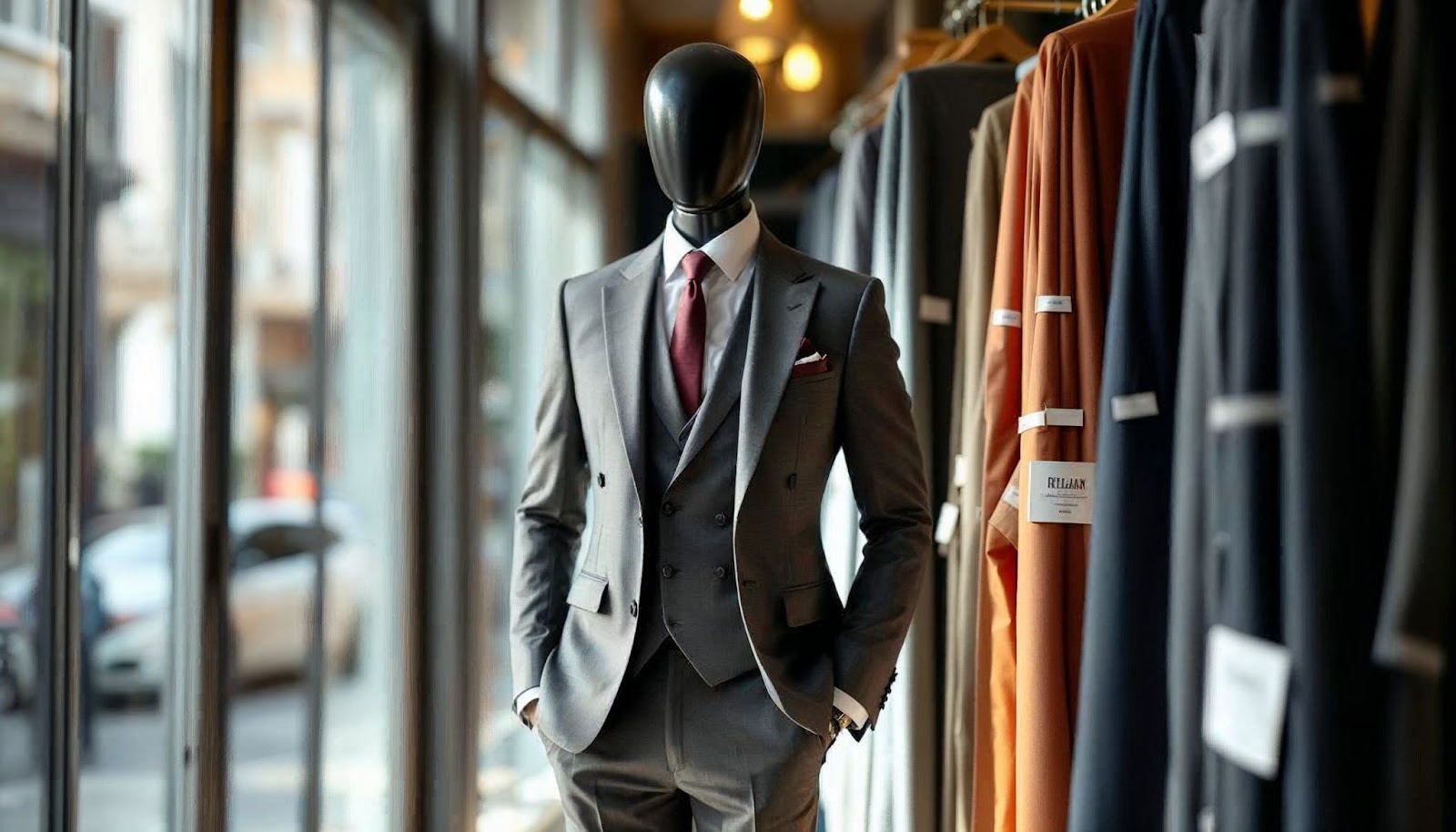
The 2025–2026 fall and winter season brings five key suit trends that are shaping menswear collections worldwide. As a suit manufacturer with over 25 years of production experience, Baoxiniao breaks down each trend with specific sourcing and manufacturing implications — so brand owners and retailers can translate runway direction into production-ready decisions. Luxury and Retro […]
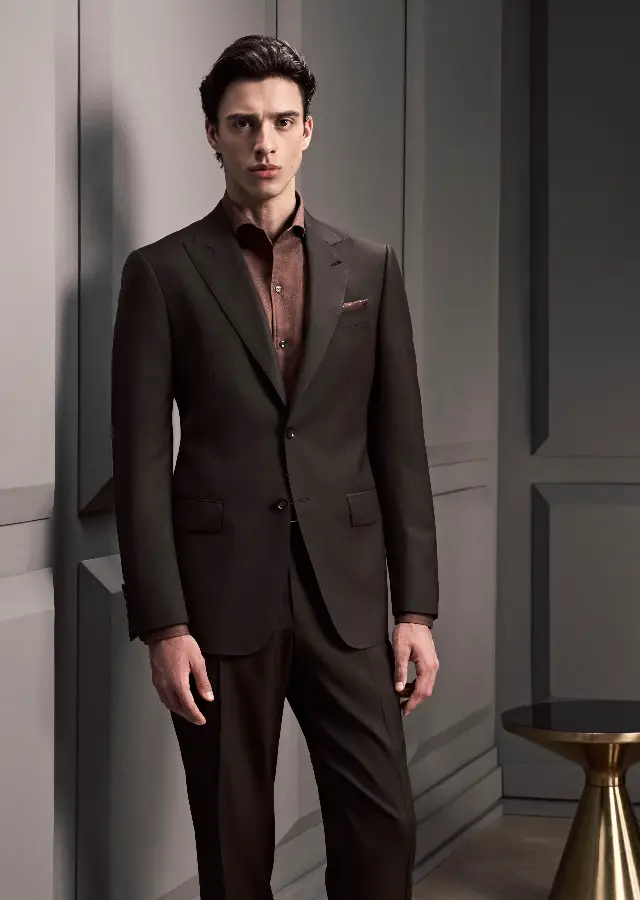
Quiet luxury men—that phrase captures more than just clothes. It’s a movement toward elegance without logos, exclusivity without flash. For buyers and industry insiders, this shift is redefining what power dressing and high-end menswear mean in 2025–26. What Is Quiet Luxury? The quiet luxury trend (aka stealth wealth, old money aesthetic men) isn’t new, but […]

How long should dress pants be? It’s a question that seems simple until you’re standing in front of a mirror, wondering if the hem is too high or puddling over your shoes. The answer comes down to one thing: pant break or the way your pants rest on your shoes. This guide breaks down the […]
ADDRESS: BAOXINIAO OFFICE BUILDING, BAOXINIAO INDUSTRIAL PARK, YONGJIA, ZHEJIANG