Quando si esaminano le esportazioni globali di abbigliamento, una manciata di paesi ne rappresenta una quota importante. Ecco i cinque più importanti e le loro offerte in termini di costi, capacità produttiva, dimensioni delle esportazioni e qualità.
La Cina rimane il più grande esportatore di abbigliamento al mondo. Nel 2024 la sua quota delle esportazioni globali di abbigliamento era di circa 29.64%.
Tutto ciò rende la Cina un hub di riferimento per i marchi che necessitano di capacità, flessibilità e una base di fornitura globale affidabile.
Il Bangladesh è tra i principali esportatori a livello mondiale. La sua industria tessile rimane una potenza grazie alla convenienza e alla produzione su larga scala.
Per gli acquirenti che danno priorità alla produzione a basso costo e alla produzione in grandi quantità, il Bangladesh rimane una delle migliori opzioni di approvvigionamento a livello globale.
Il Vietnam è una stella nascente. Nel 2024, la sua quota di esportazioni di abbigliamento ha raggiunto circa 6.09%. Il Vietnam è la soluzione ideale per i marchi che cercano un equilibrio: produzione conveniente senza sacrificare la qualità o la conformità.
La Turchia rientra spesso nelle prime 5 classifiche degli esportatori di abbigliamento, e per buone ragioni. È adatto ai marchi che danno priorità alla velocità di immissione sul mercato, alla flessibilità e alla vicinanza ai clienti europei.
L'India detiene una posizione di forza nel settore tessile e dell'abbigliamento a livello mondiale. Rimane uno dei principali esportatori e svolge un ruolo unico grazie alle sue materie prime e alla sua tradizione tessile.L'India è anche una buona scelta per gli acquirenti che necessitano di flessibilità nei materiali, personalizzazione o approvvigionamento di capi in fibre naturali.
Concentrarsi su questi Paesi principali è utile per definire una strategia di approvvigionamento. Ogni mercato offre punti di forza diversi:
A Baoxiniao, seguiamo da vicino le tendenze di approvvigionamento globali per fornire abbigliamento personalizzato affidabile e di alta qualità. Hai bisogno di un partner di produzione di fiducia? Parliamone.
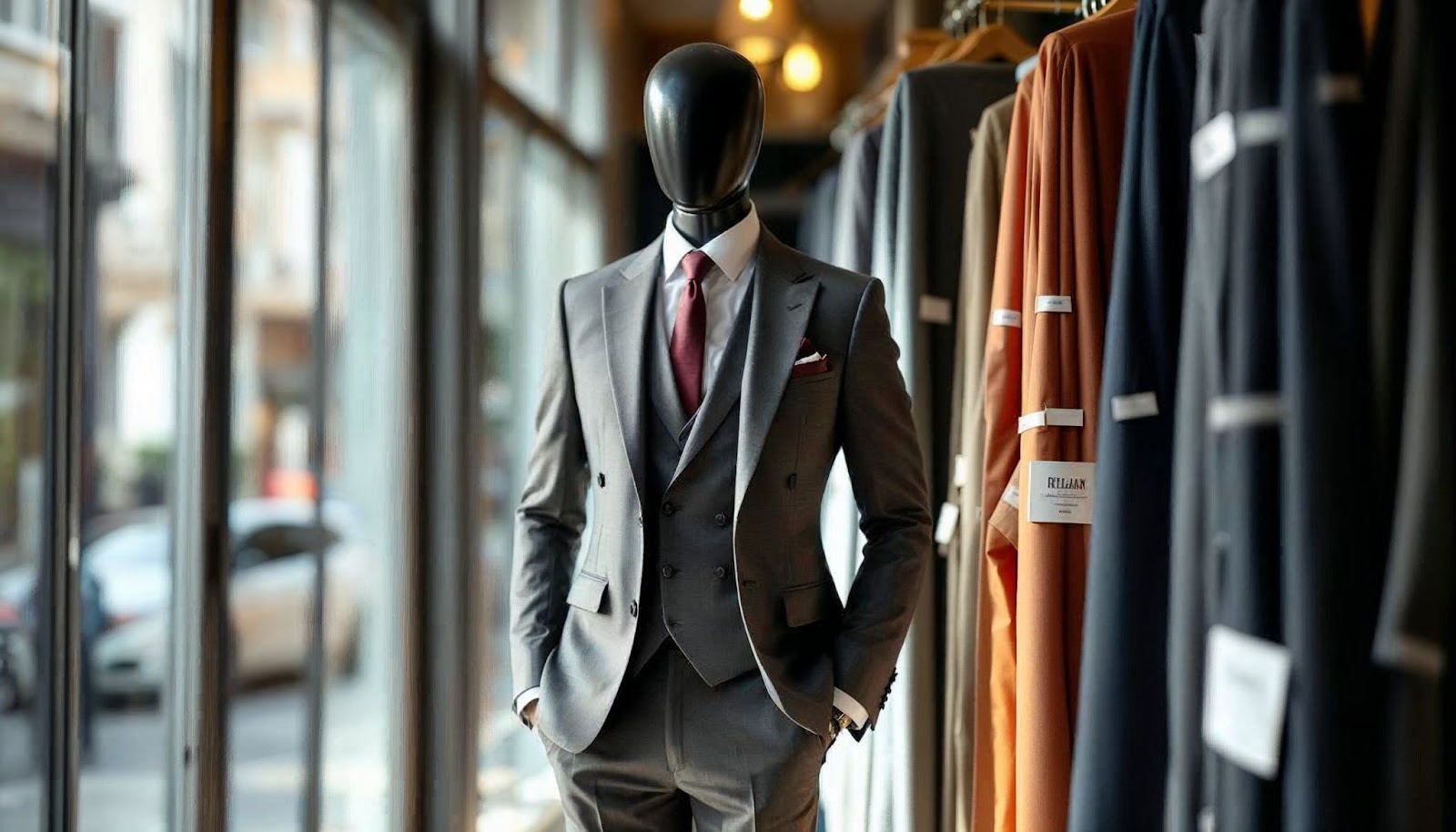
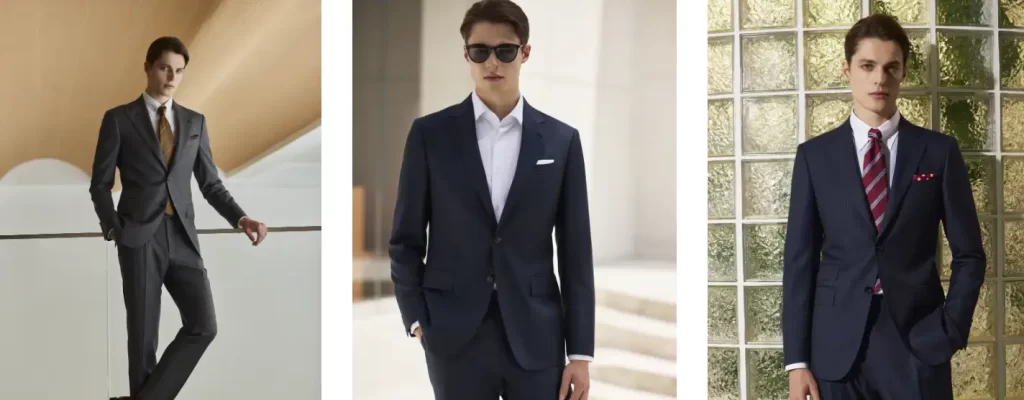
The 2025–2026 fall and winter season brings five key suit trends that are shaping menswear collections worldwide. As a suit manufacturer with over 25 years of production experience, Baoxiniao breaks down each trend with specific sourcing and manufacturing implications — so brand owners and retailers can translate runway direction into production-ready decisions. Luxury and Retro […]
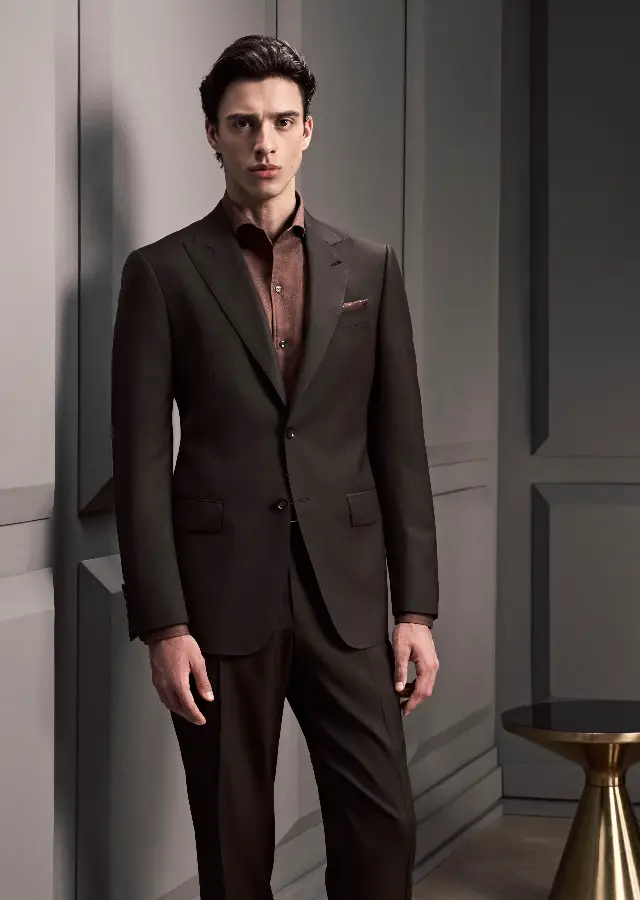
Uomini del lusso discreto: questa espressione racchiude molto più di un semplice abbigliamento. È un movimento verso un'eleganza senza loghi, un'esclusività senza ostentazioni. Per acquirenti e addetti ai lavori, questo cambiamento sta ridefinendo il significato del power dressing e dell'abbigliamento maschile di alta gamma nel 2025-26. Cos'è il lusso discreto? La tendenza del lusso discreto (alias ricchezza nascosta, uomini dall'estetica da ricchi) non è nuova, ma […]

Quanto dovrebbero essere lunghi i pantaloni eleganti? È una domanda che sembra semplice finché non ti trovi davanti a uno specchio, chiedendoti se l'orlo è troppo alto o se si allarga sulle scarpe. La risposta si riduce a una cosa: la rottura dei pantaloni, ovvero il modo in cui i pantaloni poggiano sulle scarpe. Questa guida analizza […]
INDIRIZZO: EDIFICIO PER UFFICI BAOXINIAO, PARCO INDUSTRIALE BAOXINIAO, YONGJIA, ZHEJIANG